
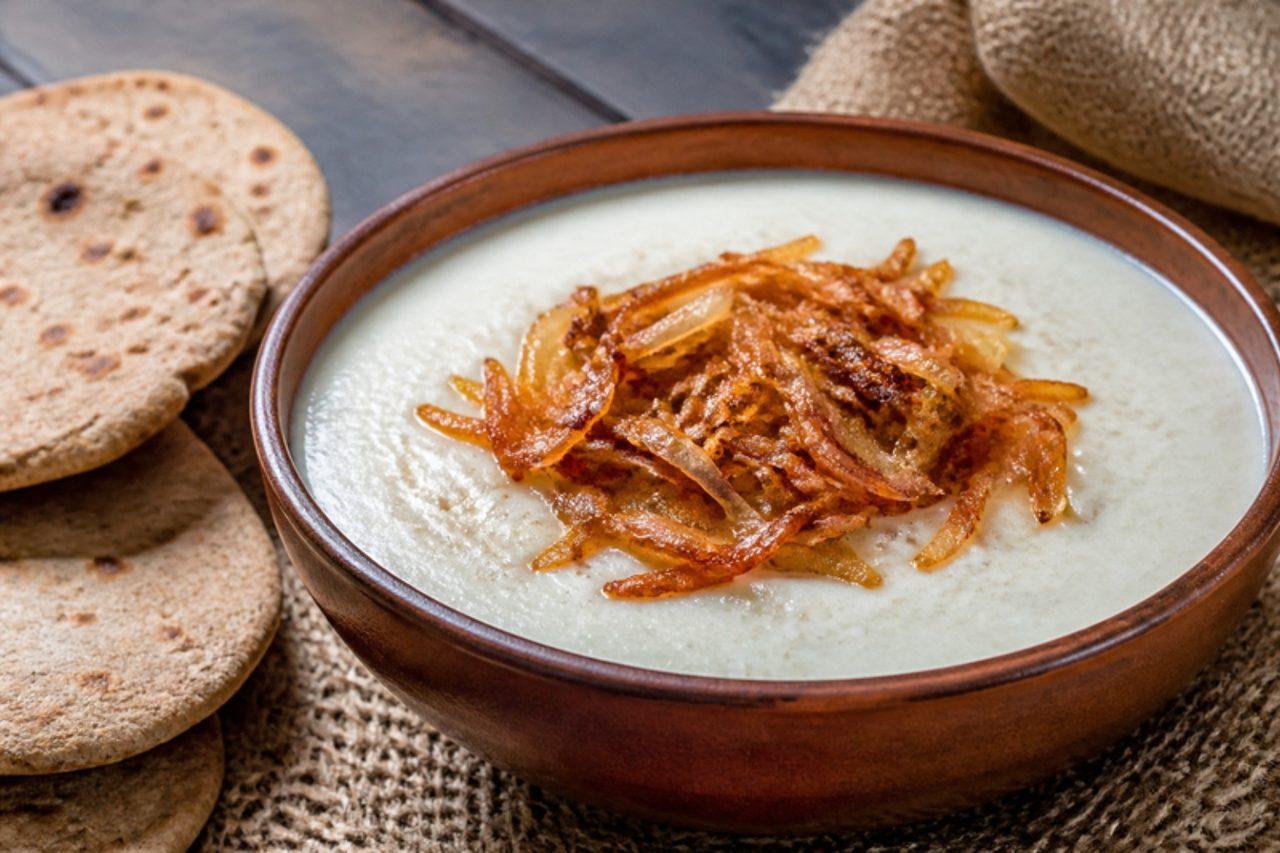
AI-generated image
Kishk sa'idi
Fermented yoghurt and wheat porridge
Kishk sa'idi: Upper Egypt's creamy porridge of sun-dried fermented yoghurt and wheat, topped with fried onions
 Egyptian
Kishk sa'idi belongs to the villages of the Sa'id, from Minya down to Qena and Luxor, where wheat and soured yoghurt are mixed, rolled into balls and dried on rooftops in the summer sun so the family has it through the winter. Soaked and simmered, the kishk becomes a thick, tangy, creamy porridge, finished with plenty of onions fried in ghee and eaten hot with bread. It is usually cooked in chicken stock; this vegetarian version uses vegetable stock and a little milk for body. Look for Upper Egyptian kishk at Egyptian grocers; Levantine kishk powder works but is often sourer, so add a little extra milk. Allow at least 2 hours for soaking. Chef's tip: keep it at a gentle bubble and stir constantly, because the yoghurt catches on the bottom and turns lumpy within minutes.
- Total time
- 50 min
- Difficulty
- medium
- Serves
- 4
Ingredients
For the kishk
- 5 ½ oz dried kishkUpper Egyptian balls or powder; Levantine kishk powder as a substitute
- 5 cups vegetable stockcold
- 1 cup whole milk
- 3 cloves garliccrushed
- ½ tsp saltonly if needed; kishk is salty
- ½ tsp ground black pepper
For the onions
- 2 onionslarge, thinly sliced
- 1 ⅜ oz gheeor butter
- 2 tbsp sunflower oil
Shop this recipe on Amazon
What you'll need
Spices & pantry
Fresh ingredients (3)
Links open Amazon in a new tab. As an Amazon Associate, WhatToEat.Today earns from qualifying purchases.
Method
0/8 doneStep 1: Break up 5 ½ oz dried kishk and soak it in 500 ml of the cold 2 cups vegetable stock for at least 2 hours, or overnight in the fridge, until completely soft.
Step 2: Blend the soaked kishk with its liquid until smooth, or rub it through a sieve.
Step 3: Heat 1 ⅜ oz ghee and 2 tbsp sunflower oil in a heavy pot over a medium heat and fry 2 onions, stirring often, until deep golden and crisp at the edges.
15 minStep 4: Lift out half of the onions and drain them on kitchen paper for the topping. Add 3 cloves garlic to the pot and stir for 1 minute.
1 minStep 5: Pour in the kishk purée and the remaining 3 cups vegetable stock and bring slowly to a gentle simmer, stirring constantly with a wooden spoon and scraping the bottom.
8 minStep 6: Simmer, still stirring, until it thickens to a creamy porridge that coats the spoon. Never let it boil hard, or the yoghurt can split.
10 minStep 7: Stir in 1 cup whole milk and cook 2 more minutes. Season with ½ tsp ground black pepper and taste before adding ½ tsp salt.
2 minStep 8: Ladle into bowls and pile the reserved crisp onions on top. Serve hot with bread.
Nutrition per serving
- Calories
- 360 kcal
- Protein
- 13 g
- Carbs
- 38 g
- Fat
- 17 g
- Fibre
- 4 g
Nutrition values are estimates.
KrazyBadal
Good to know
- How long does kishk sa'idi take?
- About 50 minutes in total: 15 minutes to prepare and 35 minutes to cook.
- How many people does it serve?
- 4 as written. Change the servings above the ingredients and every amount scales to match.
- Is it vegetarian?
- Yes. It has no meat or fish.
- What can I use instead of vegetable stock?
- Chicken stock, same amount (not vegetarian).
- What can I use instead of whole milk?
- Semi-skimmed milk with 1 tbsp cream per 240ml (1 cup).
Reviews
No reviews yet. Be the first to cook it.
Rate this recipe
Sign in to rate and review this recipe.
You might also like

Sayur lodehVegetables in coconut milk
Sayur lodeh is everyday cooking in Central Java, made in big pots in Solo and Semarang kitchens and ladled over rice, with lontong rice cakes at Lebaran, or alongside opor and sambal goreng on festive tables. It's soupy rather than thick: a fragrant broth of coconut milk, galangal, lemongrass and lime leaf that carries chunks of aubergine, long beans, chayote and sweetcorn, plus tempeh and tofu to make it a meal. The flavour is mellow and slightly sweet, so the heat comes from sambal on the side. Chef's tip: keep the pot at a gentle simmer once the coconut milk goes in and stir now and then — a rolling boil splits the coconut milk into oily curds.
 Indonesian


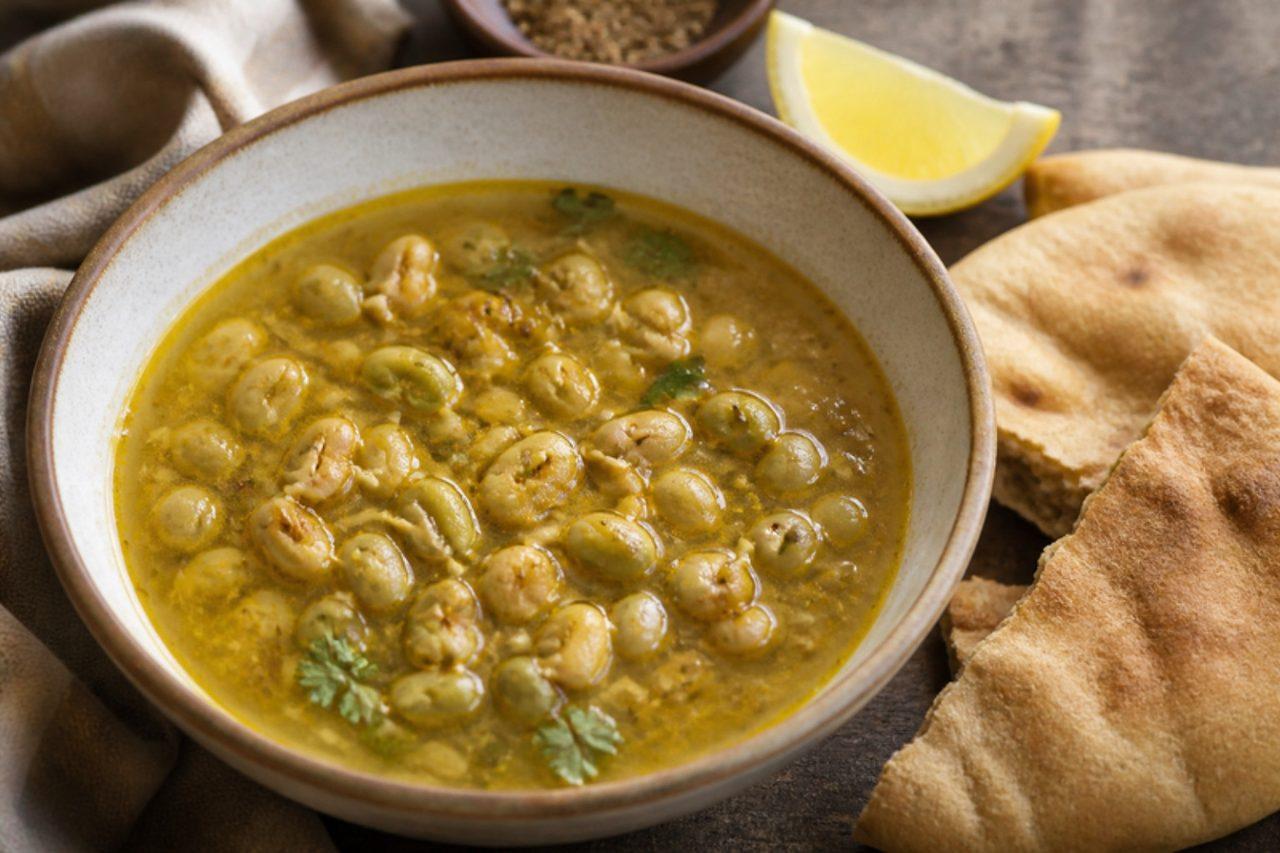
Ful nabitSprouted fava bean soup
Sprouted beans are ladled out with their cooking liquor in Cairo homes when the weather turns cold or someone is feeling run down, and Egyptians swear by the broth as a pick-me-up. The beans are soaked and left to sprout for a few days, then simmered with onion, garlic and cumin into a light, earthy soup that is sharpened at the table with plenty of lemon. You can eat the beans with a spoon or pop them from their skins. Allow 3 to 4 days for sprouting, although the hands-on work is only about 20 minutes. People with G6PD deficiency (favism) must not eat fava beans. Chef's tip: stop the sprouting when the shoots are about 1 cm long; longer sprouts taste grassy and bitter.
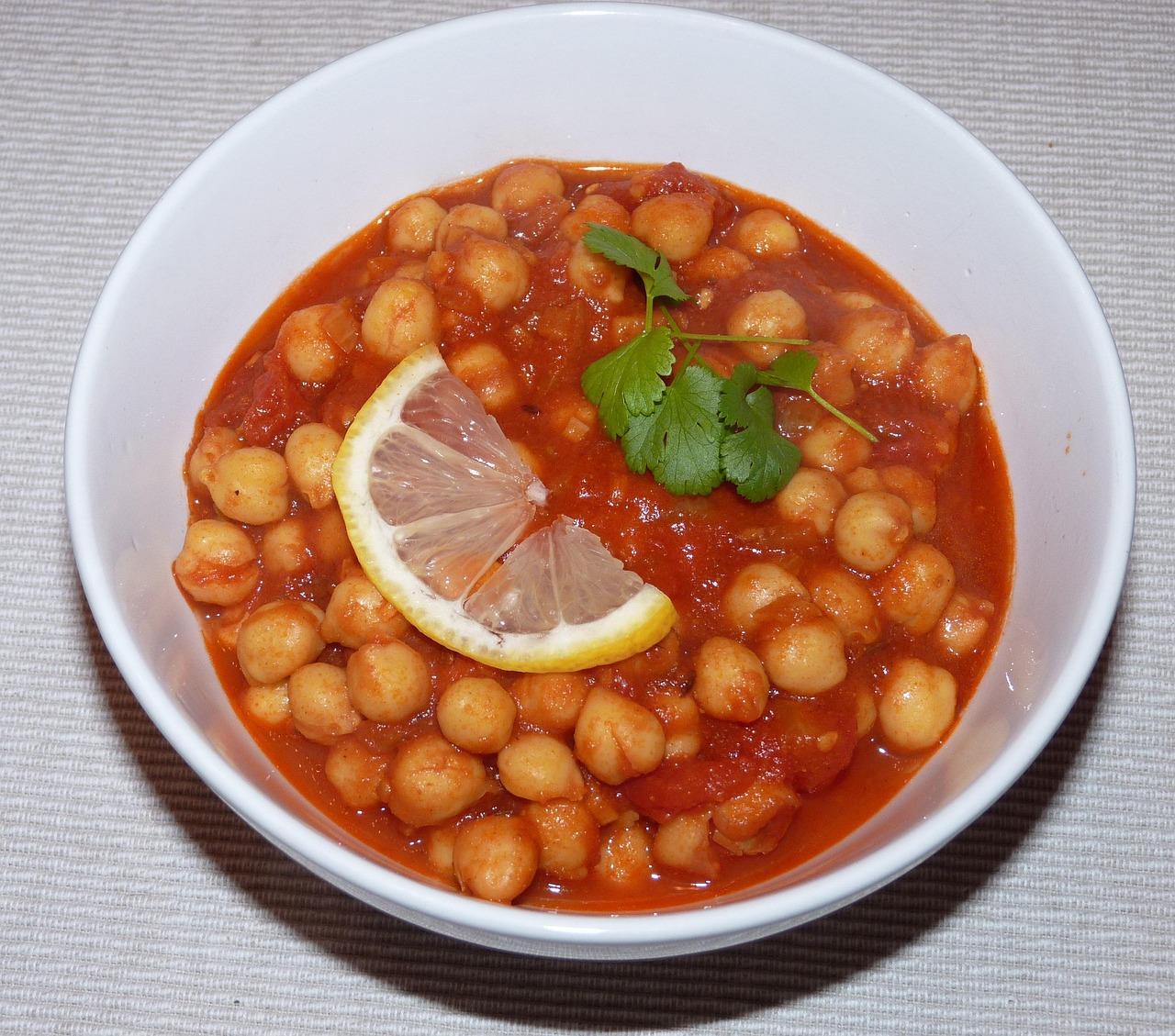
Chana masala
A North Indian staple that comes together from the store cupboard. Toasted cumin, slow-softened onion and a good spoonful of garam masala give tinned chickpeas real depth. Serve with rice, naan or a stack of warm rotis.
 Indian