
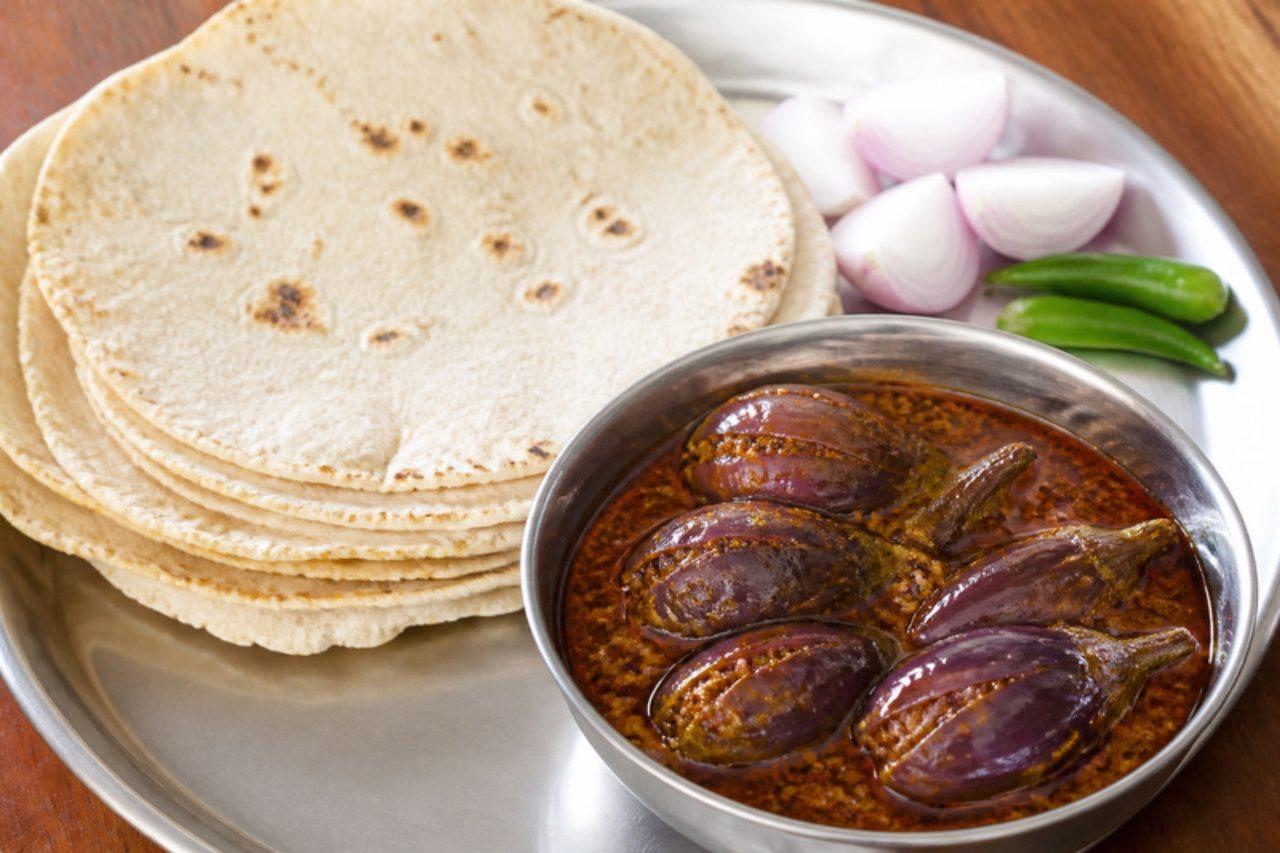
AI-generated image
Jolada rotti with ennegai
ಜೋಳದ ರೊಟ್ಟಿ ಎಣ್ಣೆಗಾಯಿ: North Karnataka's jowar flatbread with peanut-stuffed baby aubergines


Across Hubballi, Dharwad, Vijayapura and the dry plains of north Karnataka, a meal means jolada rotti: thin, crisp sorghum flatbreads slapped out by hand, often by the hundred and stored in cloth to eat with everything. Their best-loved partner is ennegai, which means 'oil vegetable': small brinjals slit and stuffed with roasted peanuts, sesame, dry coconut and spices, then cooked slowly in plenty of oil until they collapse into a thick, nutty gravy. It is wedding food, field food and Sunday food, with raw onion, a wedge of lemon and spicy chutney powder on the side. Chef's tip: use boiling water for the jowar dough; it gelatinises the flour slightly, so the rotti holds together without any wheat.
- Total time
- 80 min
- Difficulty
- medium
- Serves
- 4
Ingredients
For the stuffing
For the ennegai
For cooking
For the jolada rotti
Method
0/10 doneStep 1: In a dry pan over a medium-low heat, roast 2 ⅛ oz raw peanuts for 5 minutes, stirring, until the skins blister and they smell toasty. Add 2 tbsp white sesame seeds, 1 oz dried coconut (copra), grated, 1 tbsp coriander seeds and 1 tsp cumin seeds and roast for 2 more minutes, until the sesame starts to pop and the coconut turns light gold.
7 minStep 2: Let it cool, then grind to a coarse powder. Add 1 onion, 4 garlic cloves, 2 tsp Kashmiri or byadgi chilli powder, ¼ tsp ground turmeric, 1 tbsp tamarind paste, 1 tbsp jaggery and 1 ½ tsp salt and grind again to a thick, coarse paste, with only a spoonful of water if needed.
Step 3: Wash 1 ⅛ lb small round brinjals (baby aubergines) and keep the stalks on. Cut each one in a cross from the bottom up to about 1 cm from the stalk, so the quarters stay joined. Soak them in salted water while you work, so they don't darken.
Step 4: Stuff each brinjal generously with the paste, pressing it into the cuts. Keep the leftover paste.
Step 5: Heat 5 tbsp groundnut oil in a wide heavy pan over a medium heat, add 1 tsp black mustard seeds and let it crackle, then 10 curry leaves. Lay the brinjals in one layer and fry gently, turning every few minutes, for 8–10 minutes, until the skins wrinkle and turn glossy.
10 minStep 6: Stir the leftover paste into 1 cup hot water and pour it around the brinjals. Cover and cook on a low heat for 15–20 minutes, shaking the pan now and then, until a knife slides through the thickest brinjal and the oil separates and rises to the top of the thick gravy. Common mistake: hurrying it on a high heat; the paste catches and turns bitter before the brinjals are tender.
20 minStep 7: For the rotti, mix 10 ½ oz jowar (sorghum) flour and ½ tsp salt in a bowl. Pour in 1 ¼ cups boiling water a little at a time, stirring with a spoon, then knead while still warm (careful) for 4–5 minutes to a smooth, soft dough that doesn't crack at the edges when pressed.
6 minStep 8: Take a lemon-sized piece, knead it again in your palms, and pat it out on a board dusted with jowar flour into a thin round about 18 cm across, turning it as you pat. Or roll it gently between two sheets of baking paper.
Step 9: Lay it on a hot tava over a medium-high heat. Brush the top with water at once. After 1 minute, when the underside has set, flip it; cook 1 minute, then flip again and press the edges with a cloth so it puffs. It is done when it has light brown spots and no wet patches. Repeat with the rest.
20 minStep 10: Serve the rottis hot with the ennegai, raw onion and lemon.
Nutrition per serving
- Calories
- 560 kcal
- Protein
- 14 g
- Carbs
- 66 g
- Fat
- 28 g
- Fibre
- 13 g
Nutrition values are estimates.
KrazyBadal
Good to know
- How long does jolada rotti with ennegai take?
- About 80 minutes in total: 30 minutes to prepare and 50 minutes to cook.
- How many people does it serve?
- 4 as written. Change the servings above the ingredients and every amount scales to match.
- Is it vegan?
- Yes. It has no meat, fish, dairy or eggs.
- Is it gluten free?
- Yes, as written. Check the labels on stock, sauces and spice mixes, which sometimes contain gluten.
- What can I use instead of white sesame seeds?
- Poppy seeds or finely chopped pumpkin seeds, same amount.
- What can I use instead of coriander seeds?
- Ground coriander, same amount (add it later in the cooking; it burns faster).
Reviews
No reviews yet. Be the first to cook it.
Rate this recipe
Sign in to rate and review this recipe.
You might also like
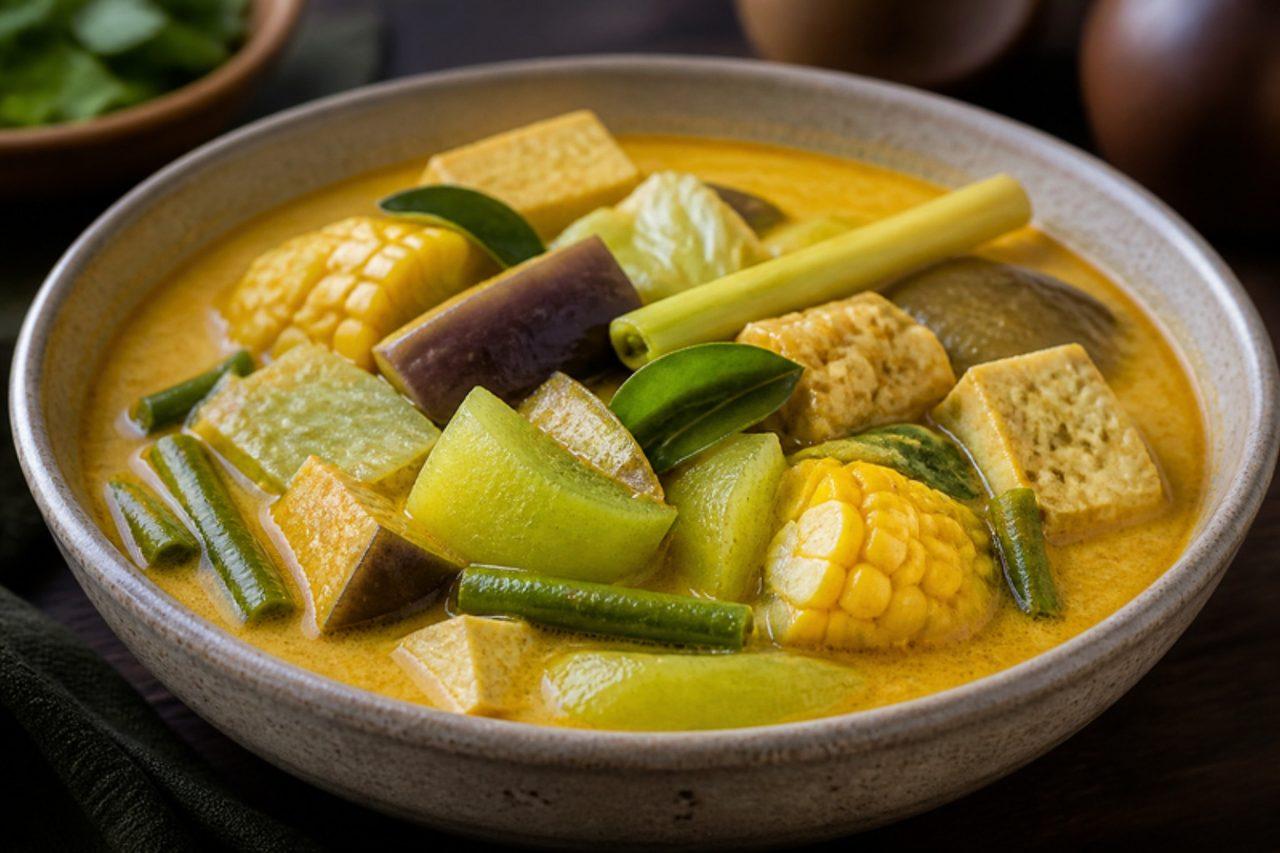
Sayur lodeh
Sayur lodeh is everyday cooking in Central Java, made in big pots in Solo and Semarang kitchens and ladled over rice, with lontong rice cakes at Lebaran, or alongside opor and sambal goreng on festive tables. It's soupy rather than thick: a fragrant broth of coconut milk, galangal, lemongrass and lime leaf that carries chunks of aubergine, long beans, chayote and sweetcorn, plus tempeh and tofu to make it a meal. The flavour is mellow and slightly sweet, so the heat comes from sambal on the side. Chef's tip: keep the pot at a gentle simmer once the coconut milk goes in and stir now and then — a rolling boil splits the coconut milk into oily curds.


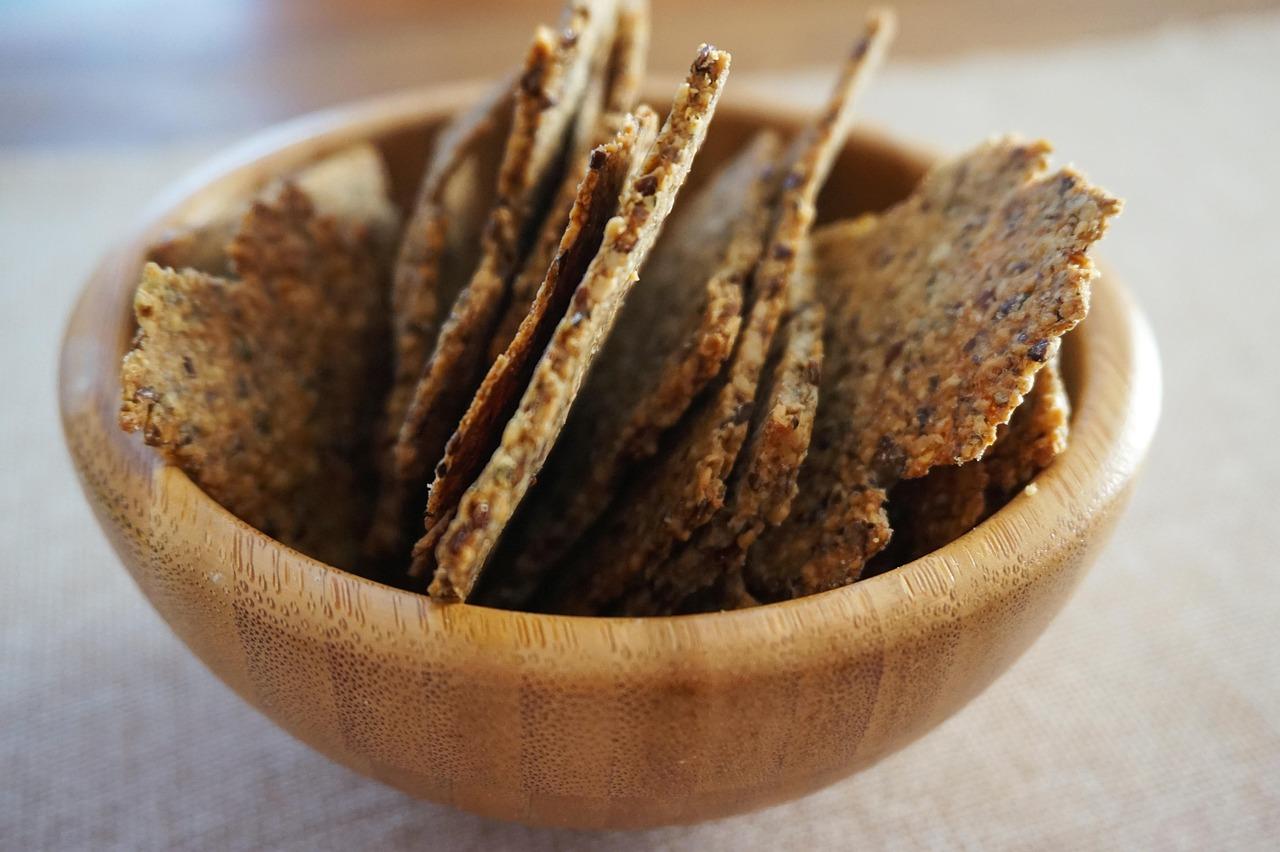
Masala khakhra
Khakhra are thin chapaties roasted slowly on a griddle until they turn crisp, like a cracker. This masala version adds gram flour, fresh fenugreek, turmeric and chilli to the wheat dough. They are a light Gujarati breakfast or tea-time snack, and lovely with pickle, chutney or a smear of butter. You can also make them in a roti maker.
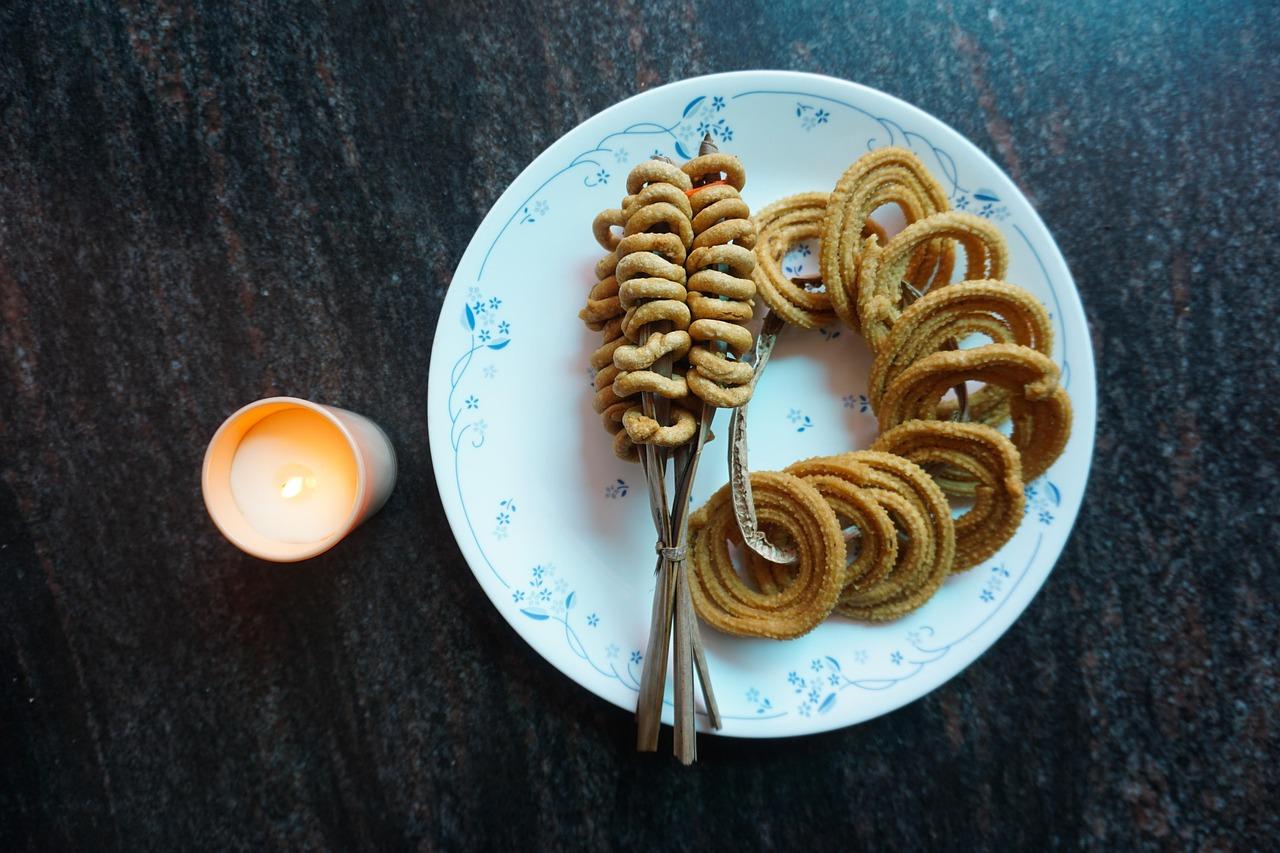
Potato chakri
Potato chakri are crisp, light spirals made with rice flour and boiled potato, flavoured with ginger, chilli, lemon, sesame and coriander. The potato makes them extra tender-crisp. They keep for about 3 weeks in an air-tight container, so make them ahead for Diwali or guests.