
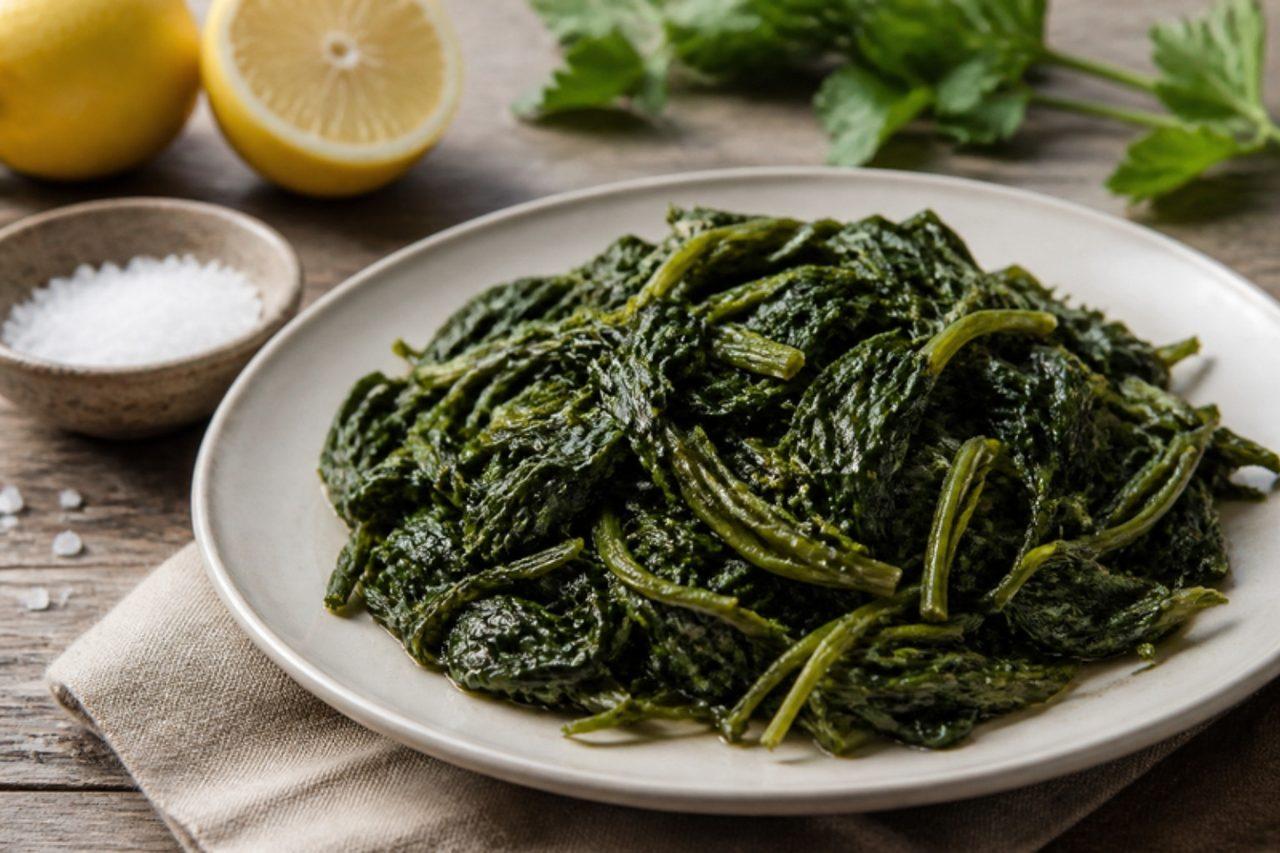
AI-generated image
Horta vrasta
Horta vrasta: boiled wild or garden greens dressed with lemon and olive oil


In Greek villages women still go out with a knife and a bag after the first autumn rains to gather horta: dandelion, wild chicory, amaranth, mustard greens. Boiled and dressed with the best olive oil and lemon, they are served warm or cool with almost every meal, from fried fish in a seaside taverna to a fasting-day plate of beans. The taste is pleasantly bitter and grassy. Common mistake: boiling them to khaki; cook only until the stems are tender and the leaves still deep green. Chef's tip: salt the cooking water generously like pasta water and dress the greens while warm, so they drink up the oil and lemon.
- Total time
- 25 min
- Difficulty
- easy
- Serves
- 4
Ingredients
Shop this recipe on Amazon
Fresh ingredients (1)
Links open Amazon in a new tab. As an Amazon Associate, WhatToEat.Today earns from qualifying purchases.
Method
0/4 doneStep 1: Trim tough roots and yellow leaves from 2 ¼ lb mixed bitter greens (dandelion, chicory, chard, mustard or amaranth) and wash them in several changes of cold water until no grit settles at the bottom of the sink.
Step 2: Bring a large pot of water to the boil with 1 tbsp coarse salt. Add the greens and cook for 6–10 minutes, depending on toughness, until the thickest stems are tender when pierced.
8 minStep 3: Drain well, pressing lightly, and pile onto a platter.
Step 4: While still warm, pour over ¼ cup extra virgin olive oil and the juice of 1 lemon and sprinkle with ½ tsp flaky sea salt. Serve warm or at room temperature.
Nutrition per serving
- Calories
- 150 kcal
- Protein
- 4 g
- Carbs
- 10 g
- Fat
- 14 g
- Fibre
- 6 g
Nutrition values are estimates.
KrazyBadal
Good to know
- How long does horta vrasta take?
- About 25 minutes in total: 15 minutes to prepare and 10 minutes to cook.
- How many people does it serve?
- 4 as written. Change the servings above the ingredients and every amount scales to match.
- Is it vegan?
- Yes. It has no meat, fish, dairy or eggs.
- Is it gluten free?
- Yes, as written. Check the labels on stock, sauces and spice mixes, which sometimes contain gluten.
- What can I use instead of lemon?
- Lime, or 2 tbsp bottled lemon juice per lemon (no zest from bottled juice).
Reviews
No reviews yet. Be the first to cook it.
Rate this recipe
Sign in to rate and review this recipe.
You might also like
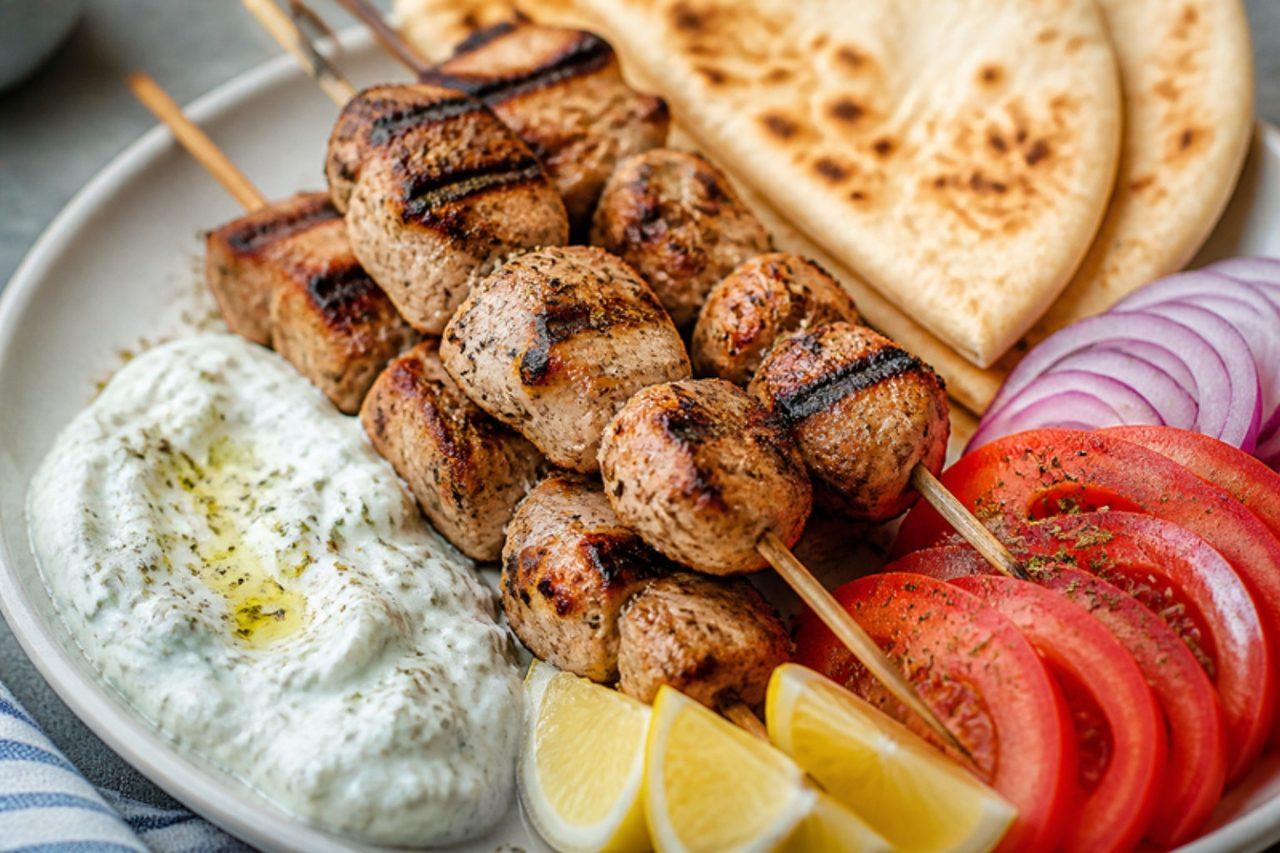
Pork souvlaki
This is a pork recipe. Walk through any Greek town after dark, from Athens to Thessaloniki, and the smell of souvlaki stands drifts down the street; cubes of pork shoulder grilled on thin skewers are the country's favourite cheap supper, eaten standing up or at a plastic-table taverna. At home you marinate the meat in lemon, olive oil, garlic and dried oregano, grill it hard and fast, and pile it on warm pitta with tzatziki, tomato and red onion. Chef's tip: cut the pork into even 2.5 cm cubes and leave a little fat on; lean loin dries out, shoulder stays juicy over high heat.
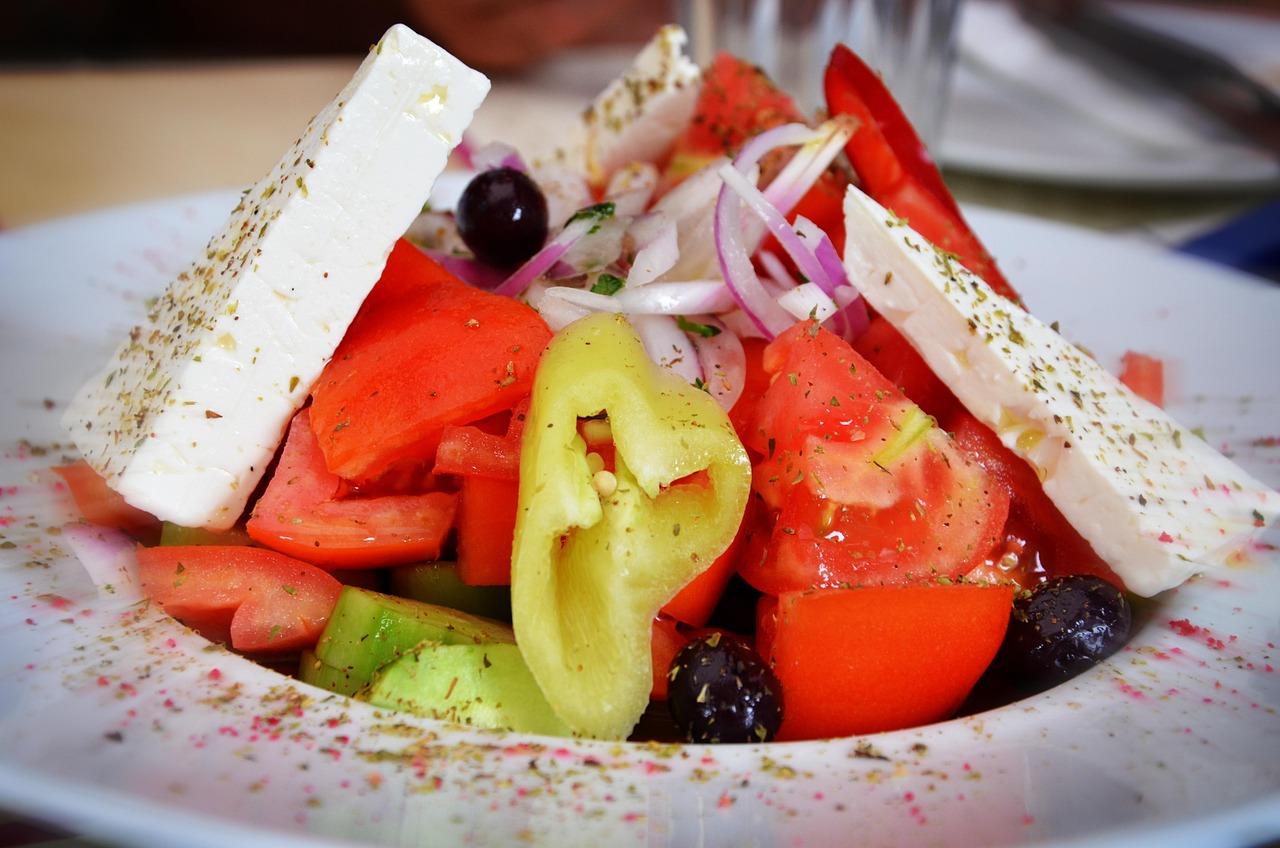
Greek village salad
A true Greek salad has no lettuce: just ripe tomatoes, crunchy cucumber, sharp onion and olives, dressed with good olive oil and dried oregano, with a whole slab of feta on top. Salt the tomatoes first and they'll make their own dressing.

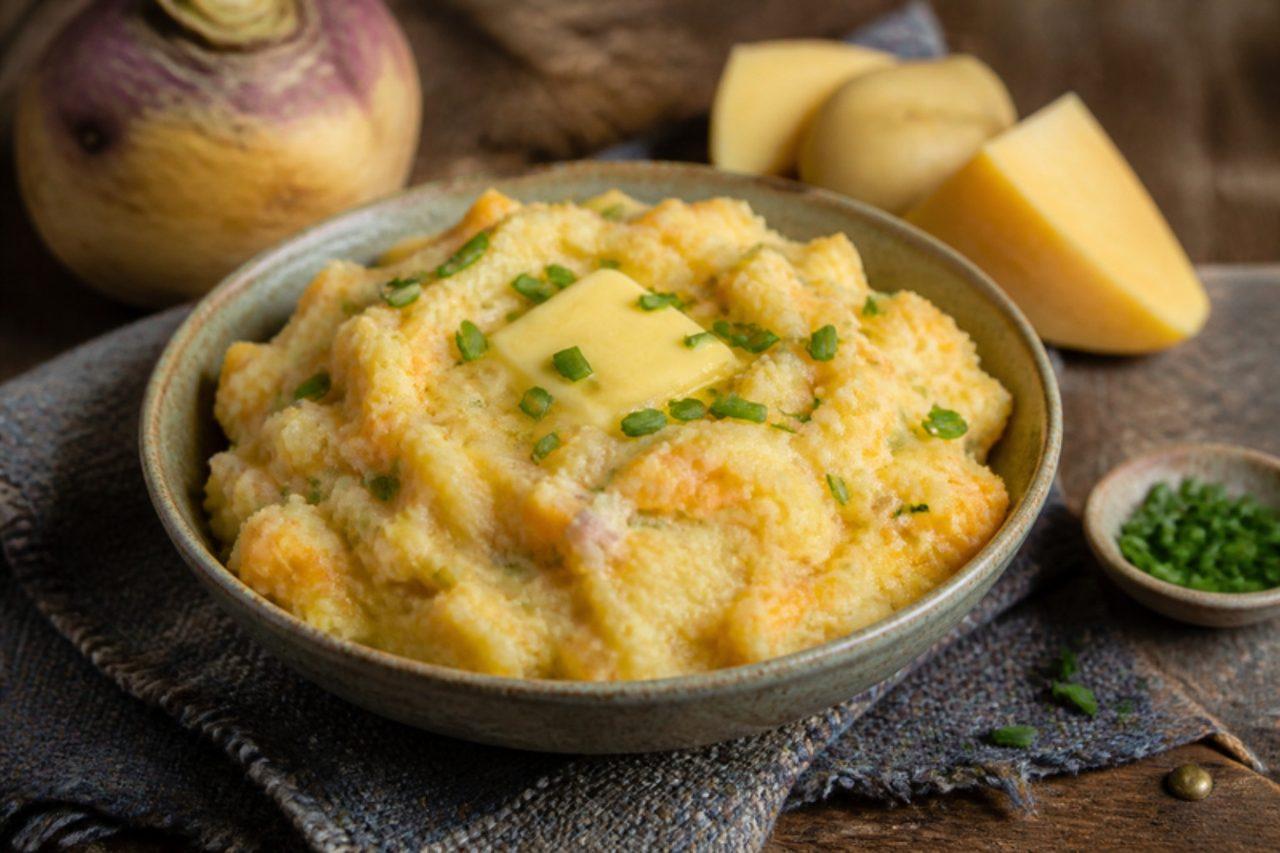
Orkney clapshot
Clapshot is the Orkney way with neeps and tatties: equal amounts of swede and potato mashed together with butter, chives and plenty of pepper, rather than served side by side. Islanders eat it with oatcakes and cheese, with mince, or alongside haggis on Burns Night. It is sweet, earthy and soft-orange. Chef's tip: dry the boiled vegetables in the hot pan before mashing, or the swede makes it watery.
 British