
AI-generated image
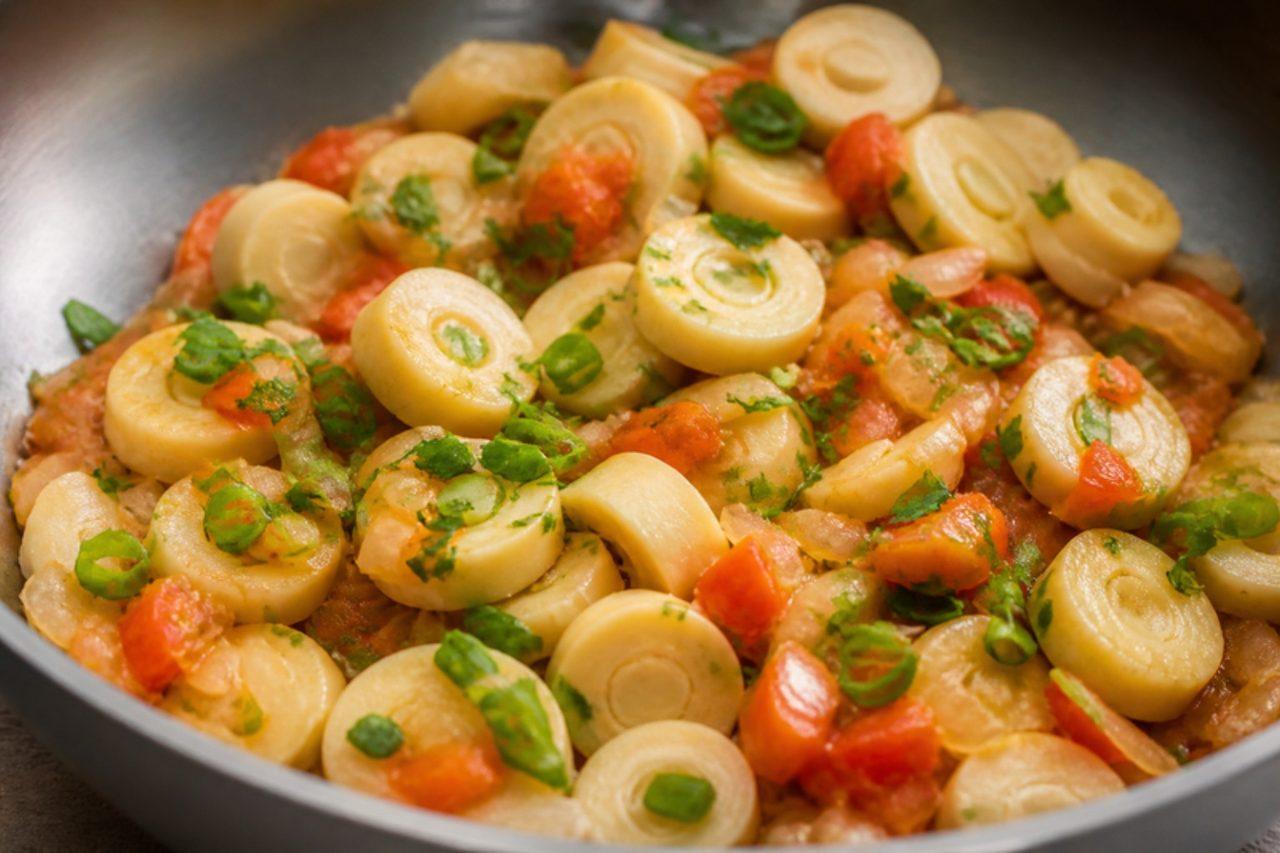
Guariroba refogada
Guariroba refogada: Goiás' bitter palm heart sautéed with garlic, onion and tomato


Goiás is the one place in Brazil where people seek out bitterness in a palm heart: guariroba, from a cerrado palm, tastes like a cross between artichoke, chicory and jiló, and Goiânia's lunch counters serve it braised with tomato and onion beside rice, beans and pequi. The pale slices turn tender and silky, and the sharp, clean bitterness is softened by the sweet tomato base. Fresh guariroba is sold in Goiás markets, and jars or frozen packs in some Brazilian shops; elsewhere use ordinary palm heart with a handful of sliced chicory or radicchio for the bitterness. Cooks unfamiliar with it often boil it first to tame the bitterness, but that washes out the flavour that makes the dish; sauté it directly instead. Chef's tip: slice it thinly across the grain, because thick pieces stay fibrous however long you cook them.
- Total time
- 30 min
- Difficulty
- easy
- Serves
- 4
Ingredients
Shop this recipe on Amazon
Spices & pantry
Fresh ingredients (4)
Links open Amazon in a new tab. As an Amazon Associate, WhatToEat.Today earns from qualifying purchases.
Method
0/5 doneStep 1: Warm 2 tbsp olive oil in a wide pan over a medium heat. Cook 1 onion for 3 minutes, until soft, then add 3 cloves garlic and cook for 1 minute, until fragrant.
4 minStep 2: Add 2 tomatoes and 1 malagueta or other hot chilli if using, and cook for 4 minutes, until the tomatoes have collapsed into a sauce.
4 minStep 3: Stir in 1 ⅛ lb fresh guariroba (bitter palm heart) and 1 tsp salt and cook for 3 minutes, turning, until it starts to soften.
3 minStep 4: Pour in ½ cup water, cover and cook over a low heat for 8–10 minutes, until the guariroba is tender and the liquid has mostly gone.
9 minStep 5: Taste, add a little more salt if you like, and stir in 3 tbsp parsley and spring onion (cheiro-verde). Serve hot with rice and beans.
Nutrition per serving
- Calories
- 110 kcal
- Protein
- 3 g
- Carbs
- 12 g
- Fat
- 7 g
- Fibre
- 4 g
Nutrition values are estimates.
KrazyBadal
Good to know
- How long does guariroba refogada take?
- About 30 minutes in total: 10 minutes to prepare and 20 minutes to cook.
- How many people does it serve?
- 4 as written. Change the servings above the ingredients and every amount scales to match.
- Is it vegan?
- Yes. It has no meat, fish, dairy or eggs.
- Is it gluten free?
- Yes, as written. Check the labels on stock, sauces and spice mixes, which sometimes contain gluten.
- What can I use instead of onion?
- 2 shallots per onion.
- What can I use instead of garlic?
- ½ tsp garlic paste or ⅛ tsp garlic powder per clove.
Reviews
No reviews yet. Be the first to cook it.
Rate this recipe
Sign in to rate and review this recipe.
You might also like
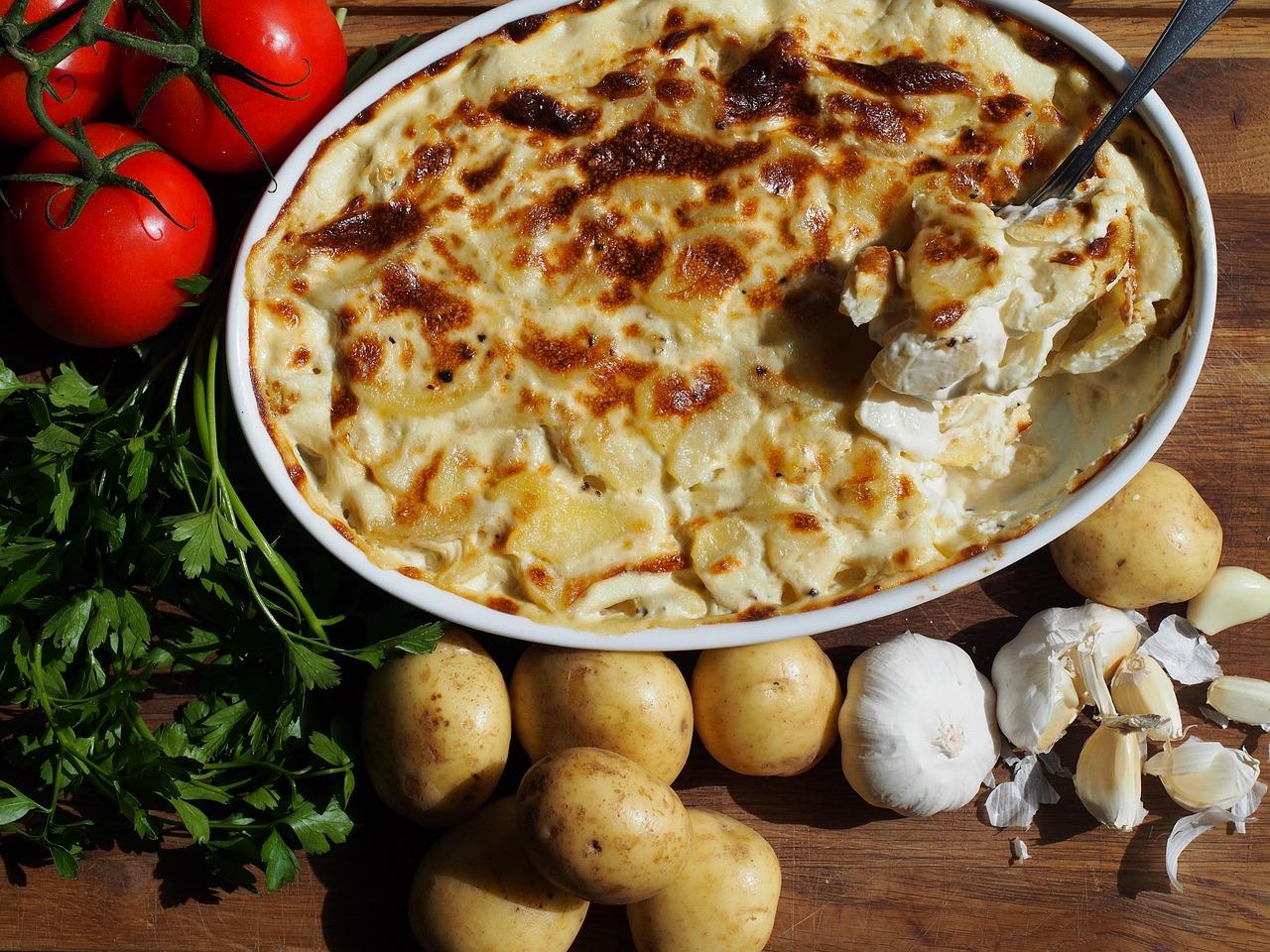
Baked cream potatoes
Thin potato slices and onion baked in fresh cream with plenty of garlic and coarse black pepper until tender and browned at the edges. Serve as a side dish with pizza or pasta, or as a snack with chilli and tomato sauce.

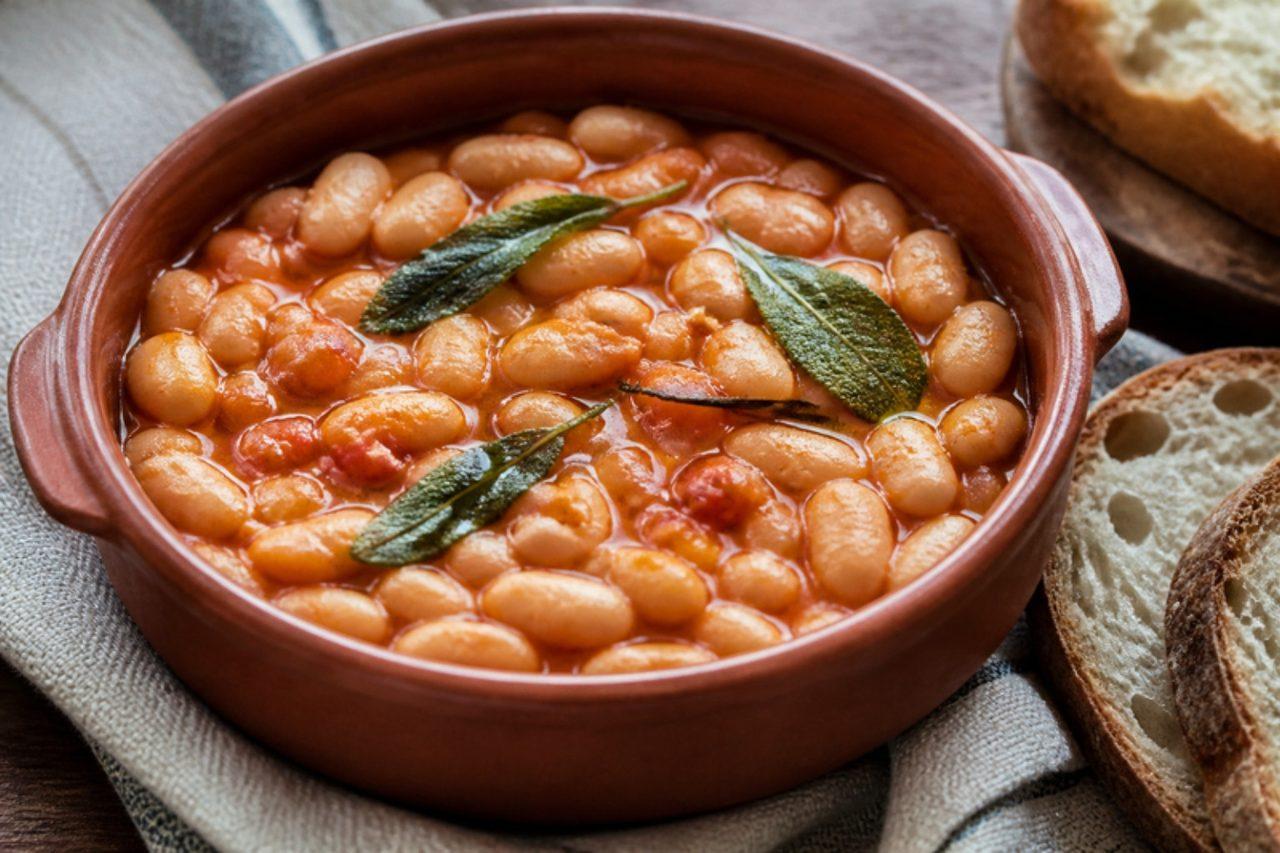
Fagioli all'uccelletto
Florentines are nicknamed mangiafagioli, bean-eaters, and this is the dish that earned it: creamy cannellini simmered in olive oil with whole sage leaves, crushed garlic and a little tomato. The name, 'little-bird style', comes from the sage and garlic once used to cook small game birds, though there has never been a bird in the pot. In trattorie it sits next to grilled meat as a side; served with crusty bread and greens it makes a full vegetarian supper. The beans should be soft and glossy in a thick, rust-coloured sauce. Chef's tip: let the sage and garlic sizzle gently in the oil before the tomato goes in; that scented oil is the whole flavour of the dish.
 Italian

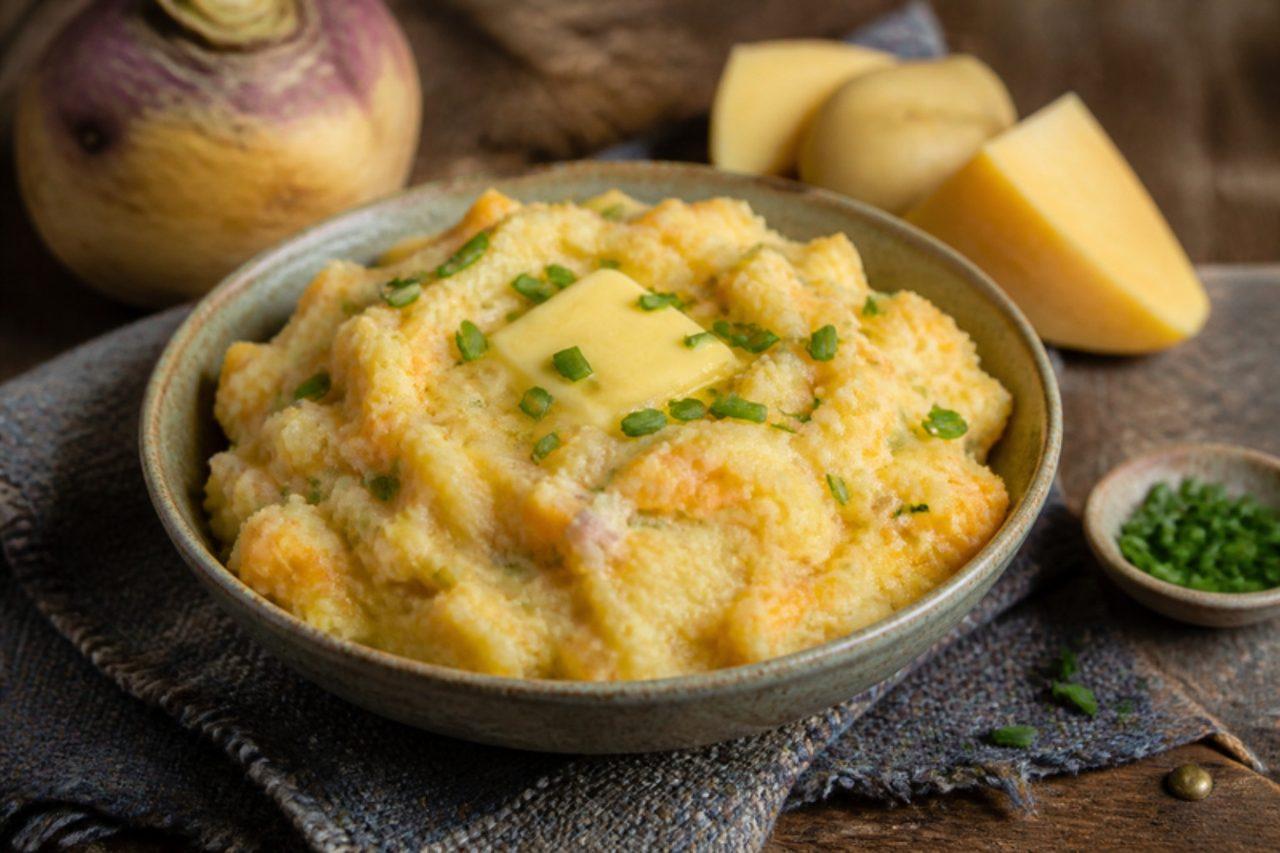
Orkney clapshot
Clapshot is the Orkney way with neeps and tatties: equal amounts of swede and potato mashed together with butter, chives and plenty of pepper, rather than served side by side. Islanders eat it with oatcakes and cheese, with mince, or alongside haggis on Burns Night. It is sweet, earthy and soft-orange. Chef's tip: dry the boiled vegetables in the hot pan before mashing, or the swede makes it watery.
 British