
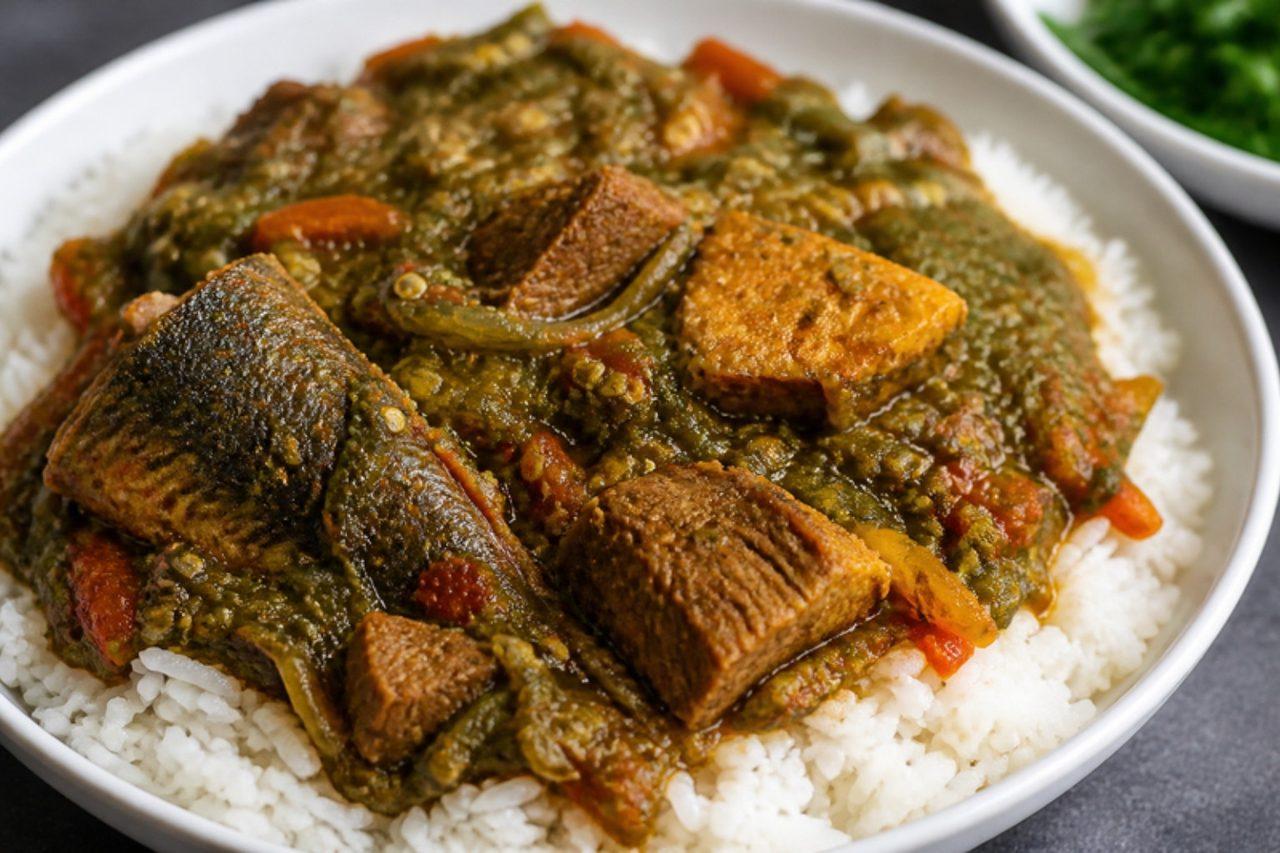
AI-generated image
Superkanja (Gambian okra stew)
Supakanja: The Gambia's thick okra and palm-oil stew with fish, beef and locust beans


Superkanja is one of The Gambia's best-loved stews, cooked in compounds from Banjul to the river villages and always served with plain white rice. Okra is simmered and beaten into a thick, glossy stew with red palm oil, beef, fish and nététou, the pungent fermented locust beans that give West African cooking its deep savoury base. Smoked or dried fish adds smokiness, Scotch bonnets bring the heat, and the whole thing is slippery, rich and earthy. If you cannot find nététou, iru or dawadawa from African shops do the same job. Chef's tip: beat the okra vigorously with a wooden spoon for the last few minutes of cooking; that beating is what turns it into the smooth, cohesive kanja rather than a loose soup.
- Total time
- 80 min
- Difficulty
- medium
- Serves
- 6
Ingredients
- 1 ⅛ lb stewing beefin 2 cm chunks
- 2 onionschopped
- 1 ½ tsp salt
- 4 ¼ cups water
- 14 oz firm white fish fillete.g. barracuda or catfish, in large chunks
- 5 ½ oz smoked or dried fishskin and bones removed, flaked
- 1 ⅛ lb fresh okratops trimmed, sliced
- ½ cup red palm oil
- 1 tbsp nététou (fermented locust beans)or iru/dawadawa, mashed
- 2 Scotch bonnet chillieswhole, or chopped for more heat
- ½ tsp ground black pepper
Shop this recipe on Amazon
Fresh ingredients (4)
Links open Amazon in a new tab. As an Amazon Associate, WhatToEat.Today earns from qualifying purchases.
Method
0/6 doneStep 1: Put 1 ⅛ lb stewing beef, 1 onions, 1 ½ tsp salt and 4 ¼ cups water in a large pot. Bring to the boil, then simmer covered until the beef is nearly tender.
35 minStep 2: Add 1 ⅛ lb fresh okra, the rest of 1 onions, 1 tbsp nététou (fermented locust beans) and 2 Scotch bonnet chillies and simmer, stirring often, until the okra is soft and the liquid thickens and turns slippery.
12 minStep 3: Stir in ½ cup red palm oil and ½ tsp ground black pepper and simmer for 5 minutes until the stew turns a deep orange-red.
5 minStep 4: Lay in 14 oz firm white fish fillet and 5 ½ oz smoked or dried fish and simmer gently, without stirring, until the fresh fish is opaque and flakes easily. Stirring at this stage is a common mistake that breaks the fish into shreds.
6 minStep 5: Lift the fish out carefully, then beat the okra stew hard with a wooden spoon until it is smooth, thick and glossy. Return the fish.
3 minStep 6: Taste for salt and serve hot over white rice.
Nutrition per serving
- Calories
- 420 kcal
- Protein
- 40 g
- Carbs
- 10 g
- Fat
- 25 g
- Fibre
- 4 g
Nutrition values are estimates.
KrazyBadal
Good to know
- How long does superkanja (Gambian okra stew) take?
- About 80 minutes in total: 20 minutes to prepare and 60 minutes to cook.
- How many people does it serve?
- 6 as written. Change the servings above the ingredients and every amount scales to match.
- Is it gluten free?
- Yes, as written. Check the labels on stock, sauces and spice mixes, which sometimes contain gluten.
- Is it very spicy?
- It has some heat. Use less chilli for a milder version, or more if you like it hot.
- What can I use instead of onions?
- 2 shallots per onion.
- What can I use instead of ground black pepper?
- Black peppercorns, freshly ground, same amount.
Reviews
No reviews yet. Be the first to cook it.
Rate this recipe
Sign in to rate and review this recipe.
You might also like
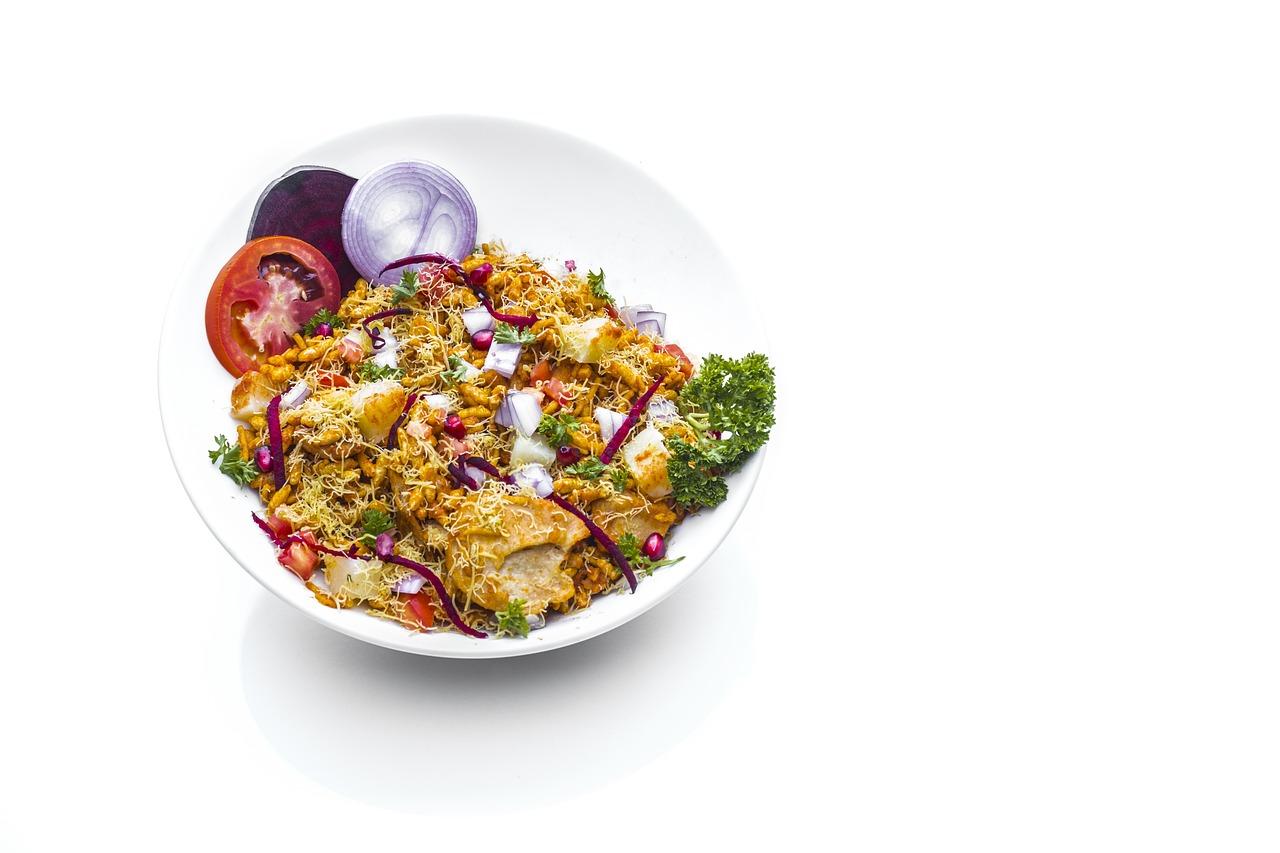
Coastal Mombasa mix
A Mombasa street-food bowl: chickpeas and potato simmered in coconut milk with raw mango and chilli, ladled into small bowls and topped with crisp lentil fritters, crunchy chevdo and red, green and tamarind chutneys. Make the fritters and chevdo ahead and assemble at the table. It's sweet, sour, hot and crunchy all at once.

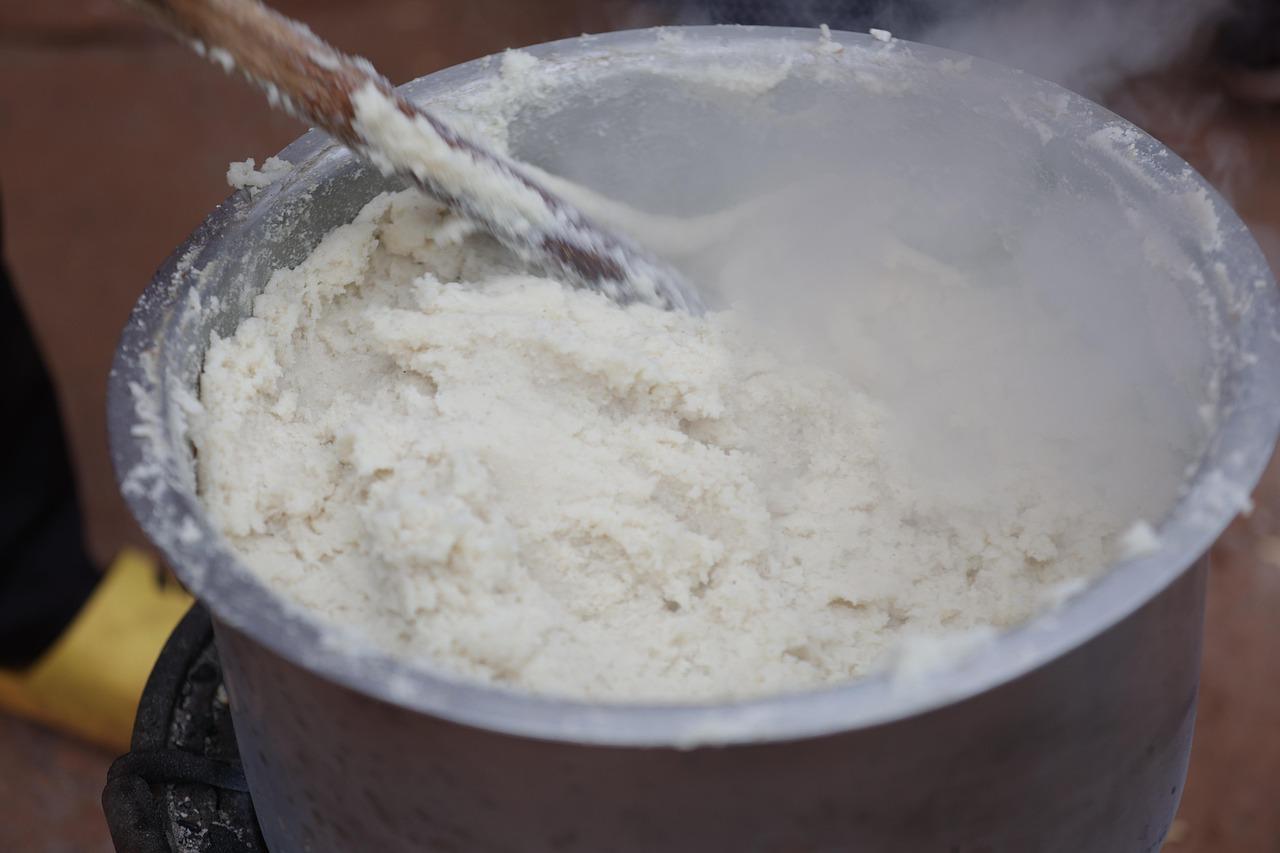
Masala ugali
Ugali, East Africa's staple of maize meal cooked into a stiff porridge, given a lift with toasted cumin, butter, fresh coriander and green chilli. Stir it hard and keep it soft. Serve hot with sukumawiki or any stew.

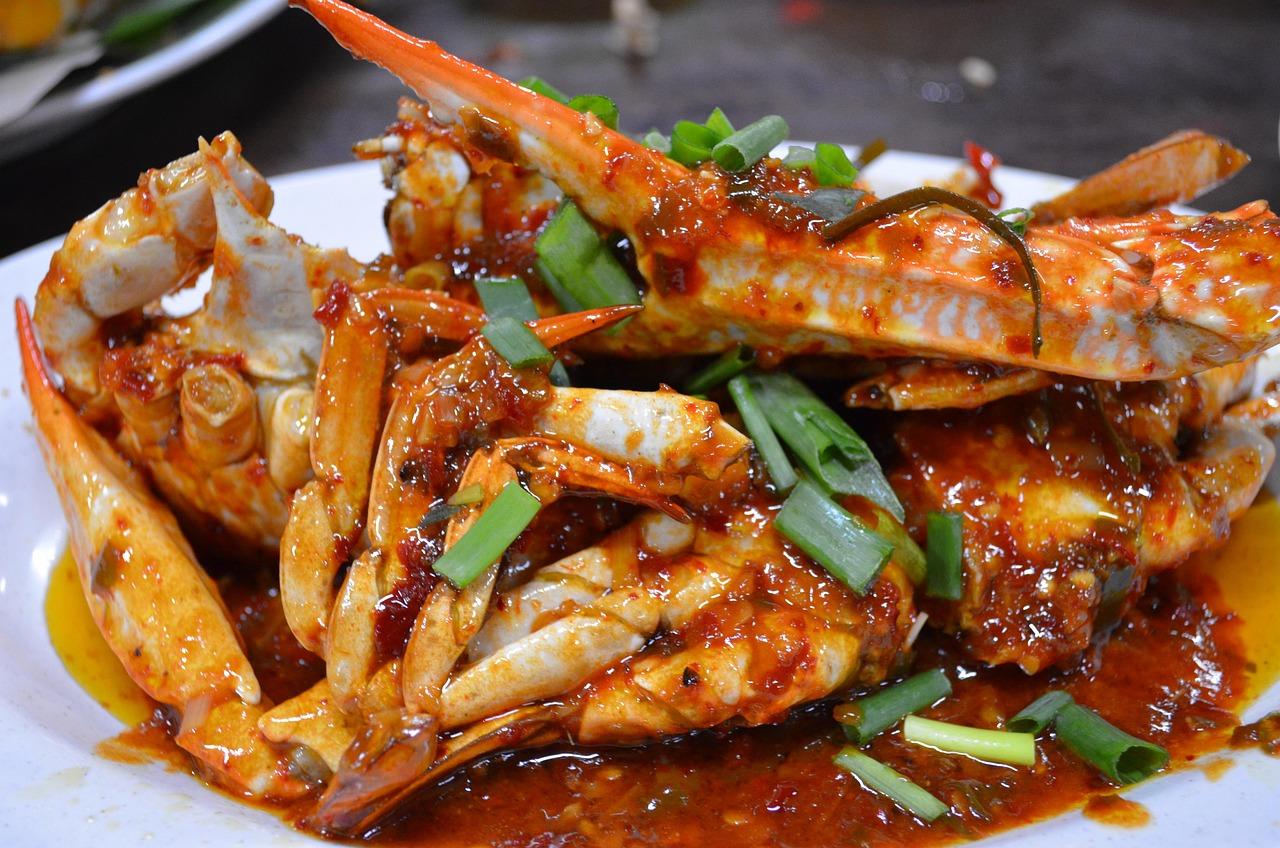
Singapore chilli crab
Chilli crab was first sold from a pushcart on the Kallang river in the 1950s and is now the dish visitors queue for along Singapore's East Coast seafood strip. Big mud crabs are cut up, wok-fried and simmered in a thick, sweet, tangy and gently hot sauce of chilli, tomato and garlic, which is then silked with beaten egg. Everyone eats with their hands and mops up the sauce with fried or steamed mantou buns. It is a weekend or celebration meal, messy and loud. Buy crabs live or freshly cooked the same day from a fishmonger you trust. Discard any live crab that doesn't move, smells of ammonia or has a cracked, leaking shell. The common mistake is boiling the sauce after adding the egg, which scrambles it into lumps; pour it in a thin stream over a low heat. Chef's tip: ask the fishmonger to clean and quarter the crab for you, and crack each claw lightly with the back of a cleaver so the sauce soaks in.
 Singaporean