
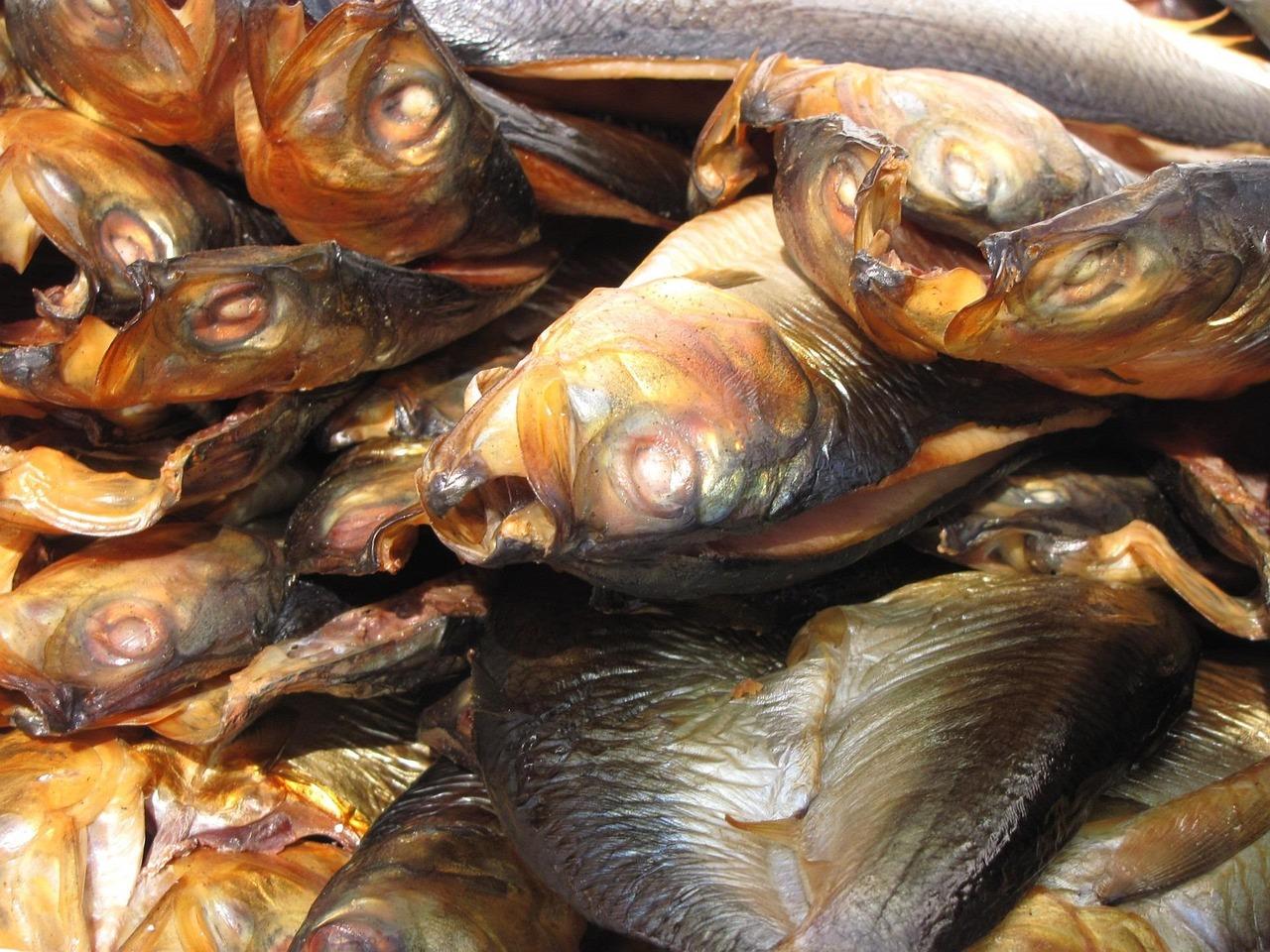
Renga (smoked herring with lemon and tahini)
Renga: smoked herring dressed with lemon, onion and tahini, the essential Sham el-Nessim spring picnic dish


On Sham el-Nessim, the spring festival Egyptians of every faith celebrate on the Monday after Coptic Easter, families head to parks and the Nile banks with coloured eggs, spring onions, lettuce and fish, and renga is on almost every picnic cloth. Golden smoked herring is skinned, boned and flaked, then dressed with plenty of lemon, raw onion, chilli and a garlicky tahini sauce, so the salty, smoky fish is cut by sharp citrus and creamy sesame. It is scooped up with baladi bread and crunchy greens. Shop-bought renga is cold-smoked and eaten without cooking, so it is not for pregnant women, young children or anyone with a weakened immune system unless you heat it first (see the last step). Buy it sealed from a reputable shop, within its date. Chef's tip: soak the fillets in cold water for 10 minutes to tame the salt before dressing them.
- Total time
- 25 min
- Difficulty
- easy
- Serves
- 4
Ingredients
For the fish
- 2 smoked herringwhole renga, about 500 g together, from a reputable shop
- 2 lemonsjuiced
- 1 red onionthinly sliced
- 2 green chilliessliced
- 1 tomato (optional)diced
- ½ tsp ground cumin
- 2 tbsp olive oil
For the tahini
- 4 tbsp tahini
- 1 garlic clovecrushed
- 2 tbsp lemon juice
- 4 tbsp cold water
- 1 pinch salt
To serve
- 1 bunch spring onions (optional)
- 1 cos lettuce (optional)leaves separated
Shop this recipe on Amazon
Spices & pantry
Fresh ingredients (7)
Links open Amazon in a new tab. As an Amazon Associate, WhatToEat.Today earns from qualifying purchases.
Method
0/6 doneStep 1: Cut the head off each 2 smoked herring, slit the belly and peel off the skin. Lift the fillets off the backbone and pull out as many fine bones as you can; keep the roe if there is any. Wash your hands and board well afterwards.
Step 2: Soak the fillets in cold water for 10 minutes to draw out some salt, then drain, pat dry and break into large flakes. Taste a flake: the most common mistake is serving it too salty, so soak a few minutes longer if needed.
10 minStep 3: Toss the fish with 2 lemons, 1 red onion, 2 green chillies, 1 tomato, ½ tsp ground cumin and 2 tbsp olive oil in a shallow dish.
Step 4: Whisk 4 tbsp tahini with 1 garlic clove, 2 tbsp lemon juice, 4 tbsp cold water and 1 pinch salt until smooth and pourable. If it seizes and thickens at first, keep whisking and add a little more water.
Step 5: Spoon the tahini over the fish and serve at once with 1 bunch spring onions, 1 cos lettuce and bread. Keep the herring in the fridge until you dress it and eat it the same day.
Step 6: For vulnerable guests, wrap the fillets in foil and heat in a 400°F oven for 10–12 minutes until steaming hot all the way through (167°F), then let them cool a little before dressing.
12 min
Nutrition per serving
- Calories
- 330 kcal
- Protein
- 22 g
- Carbs
- 8 g
- Fat
- 24 g
- Fibre
- 3 g
Nutrition values are estimates.
KrazyBadal
Good to know
- How long does renga (smoked herring with lemon and tahini) take?
- About 25 minutes in total.
- How many people does it serve?
- 4 as written. Change the servings above the ingredients and every amount scales to match.
- Is it gluten free?
- Yes, as written. Check the labels on stock, sauces and spice mixes, which sometimes contain gluten.
- What can I use instead of lemons?
- Lime, or 2 tbsp bottled lemon juice per lemon (no zest from bottled juice).
- What can I use instead of red onion?
- White onion or shallots, same amount (soak raw onion in cold water for 10 minutes to soften it).
Reviews
No reviews yet. Be the first to cook it.
Rate this recipe
Sign in to rate and review this recipe.
You might also like
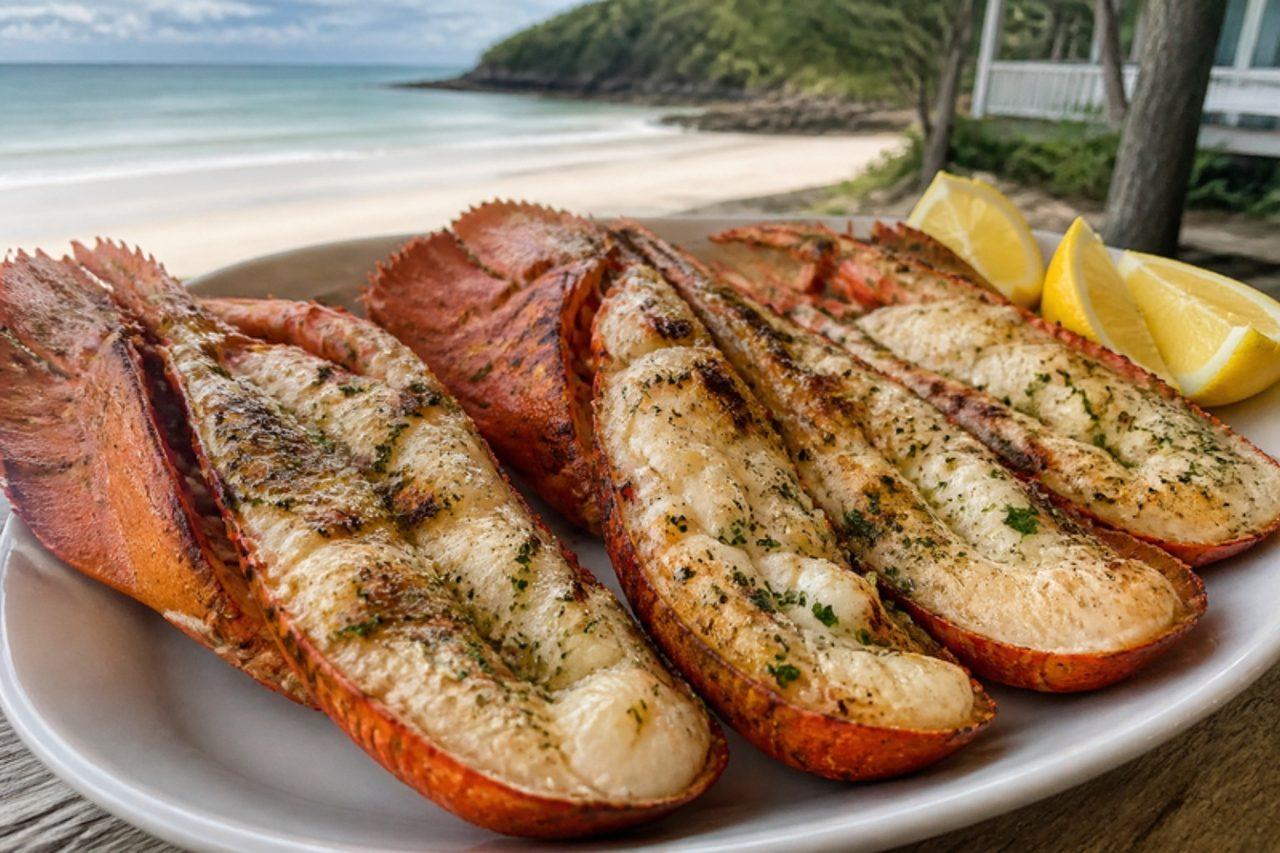
Moreton Bay bugsSlipper lobster with garlic butter
Moreton Bay bugs are the flat, shovel-nosed slipper lobsters caught off the Queensland coast around Brisbane and the Sunshine Coast, and for Queenslanders they are a summer treat, split and grilled at the beach house. The tail meat is sweet and rich, somewhere between lobster and prawn. Buy them raw, frozen or fresh, from a fishmonger and ask them to halve them if you like. A common mistake is overcooking, which makes the meat rubbery; it is ready the moment it turns white. Chef's tip: grill flesh side down first to mark it, then turn and baste in the shell.
 Australian

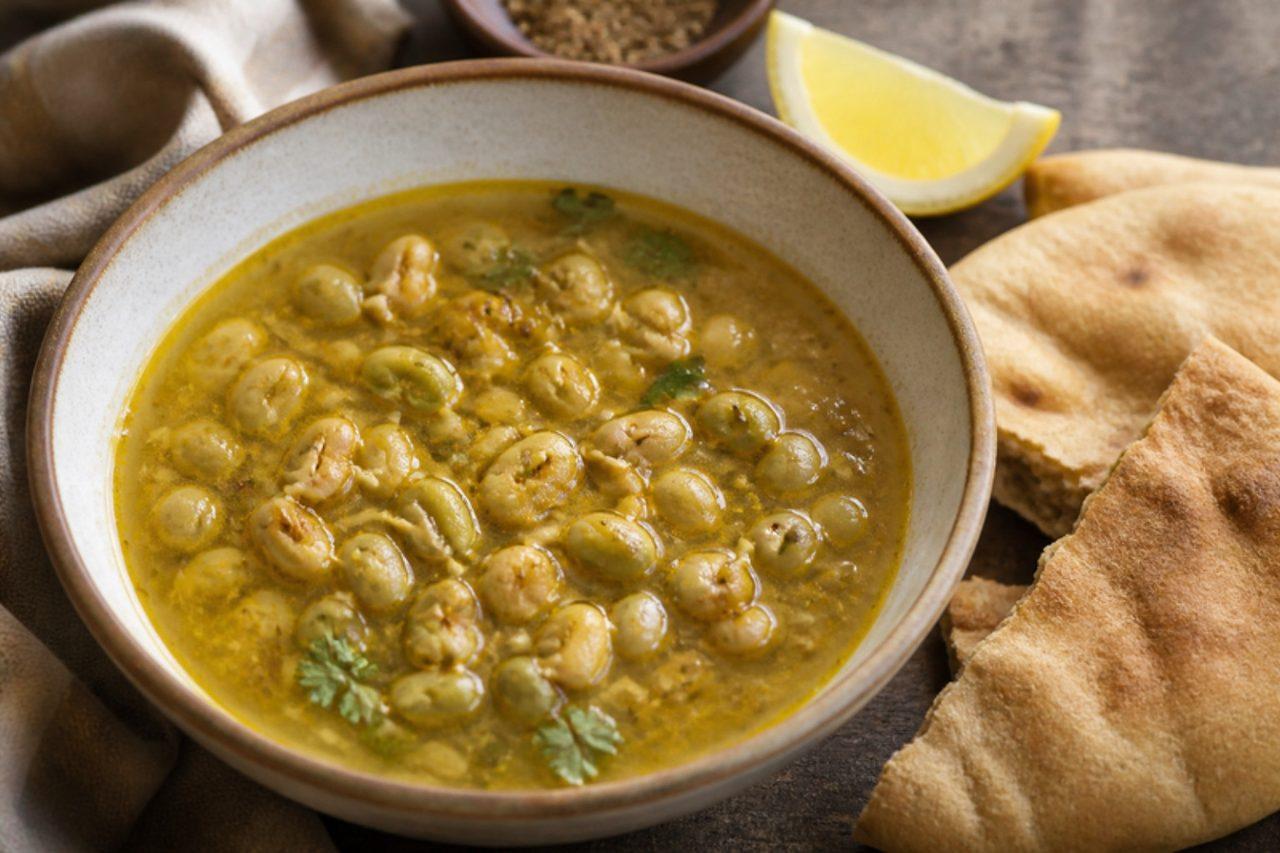
Ful nabitSprouted fava bean soup
Sprouted beans are ladled out with their cooking liquor in Cairo homes when the weather turns cold or someone is feeling run down, and Egyptians swear by the broth as a pick-me-up. The beans are soaked and left to sprout for a few days, then simmered with onion, garlic and cumin into a light, earthy soup that is sharpened at the table with plenty of lemon. You can eat the beans with a spoon or pop them from their skins. Allow 3 to 4 days for sprouting, although the hands-on work is only about 20 minutes. People with G6PD deficiency (favism) must not eat fava beans. Chef's tip: stop the sprouting when the shoots are about 1 cm long; longer sprouts taste grassy and bitter.

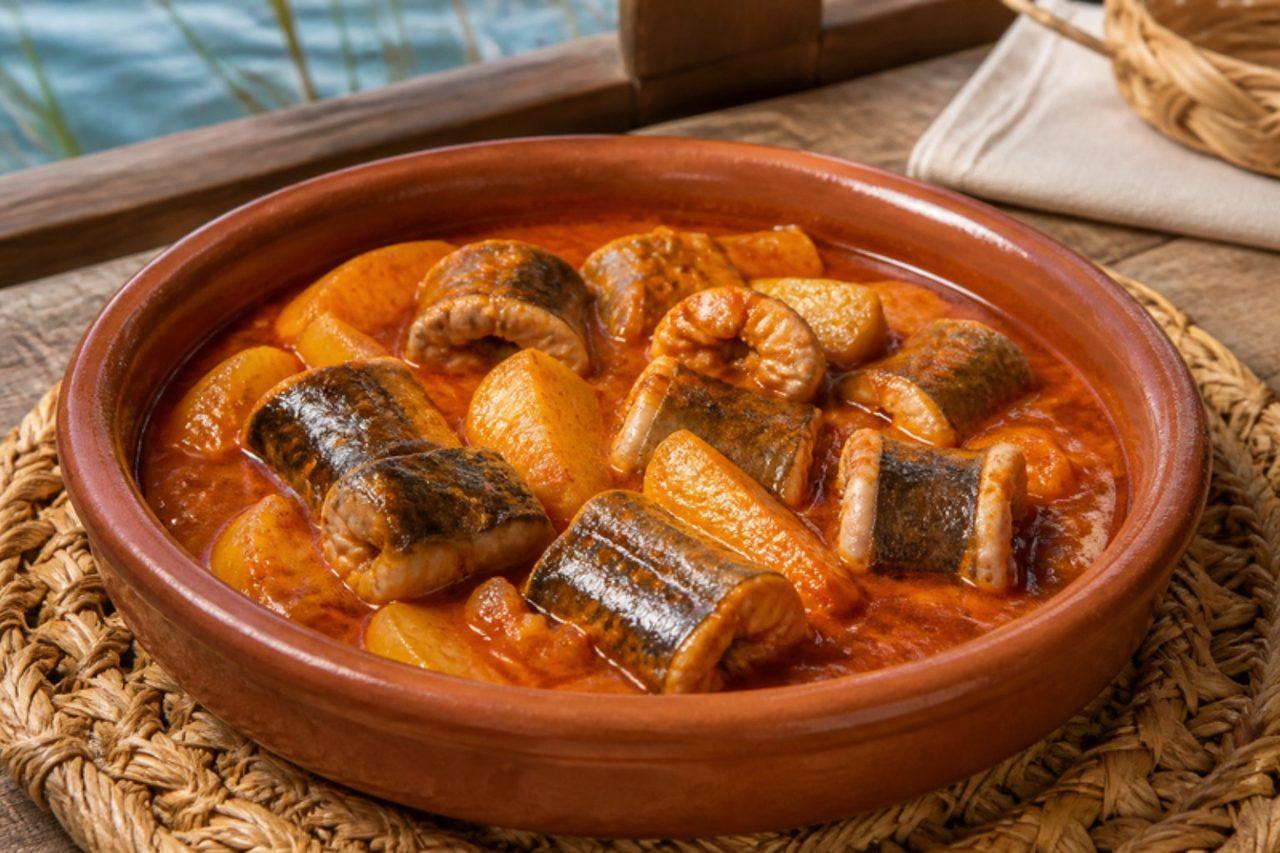
All i pebreEel and potato paprika stew
In El Palmar and the other villages around the Albufera lagoon south of Valencia, the restaurants that are famous for paella serve something older first: all i pebre, "garlic and pepper", a brick-red stew of lagoon eel and potatoes thickened with a pounded almond and fried-bread picada. It is rich, garlicky and gently hot, eaten with bread to mop up the sauce. Ask your fishmonger to skin and cut the eel, and handle it with gloves: raw eel blood is irritating, though harmless once cooked. If you can't find eel, monkfish or hake works well. A common mistake is letting the paprika burn; it turns bitter in seconds, so add it off the heat. Chef's tip: break the potatoes with a knife instead of cutting cleanly; the rough edges release starch and thicken the sauce.
 Spanish
