
AI-generated image
Meshabek
Lacy syrup-soaked fritters
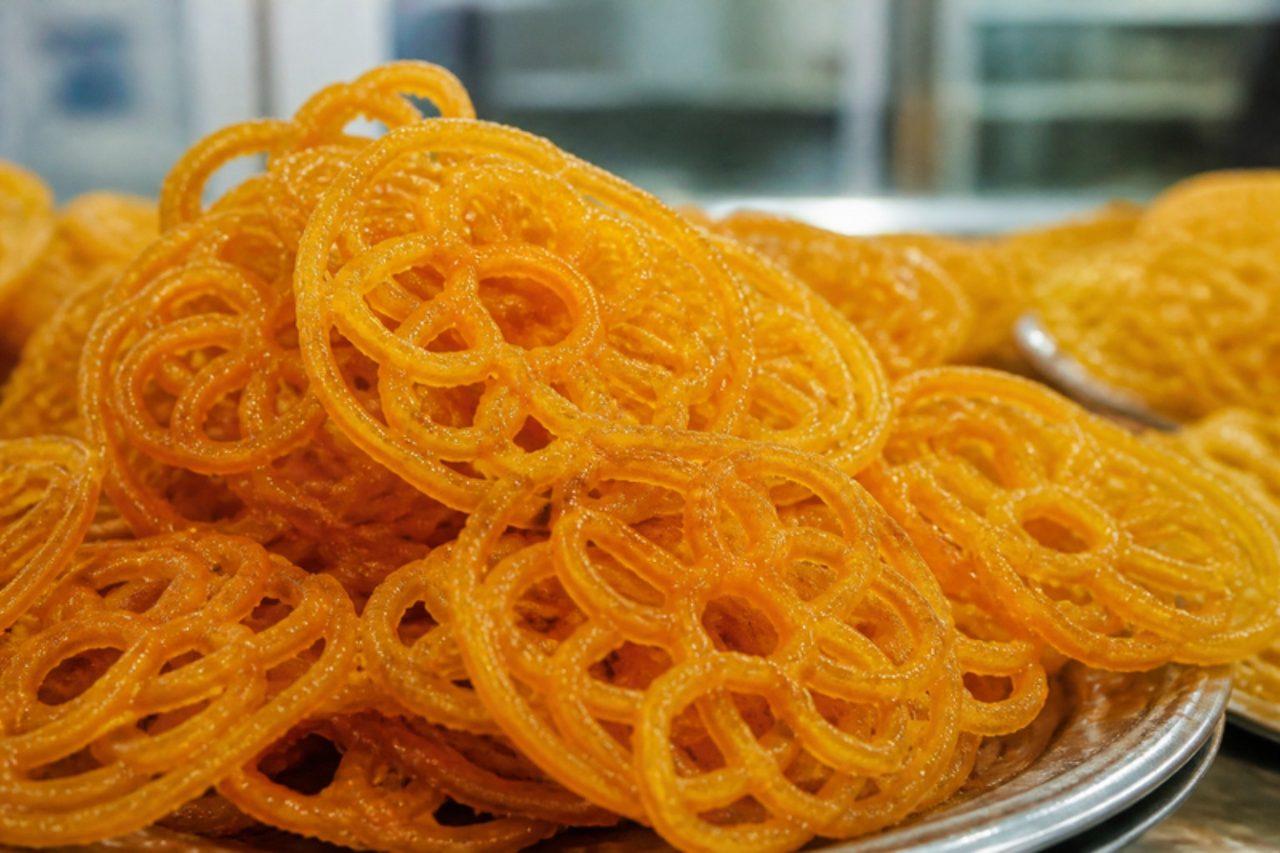
Meshabek: Damietta's lacy wheels of piped batter, fried crisp and soaked in syrup


Damietta, the port city where the Nile meets the Mediterranean, is famous across Egypt for its sweet shops, and meshabek is one of their signatures: lattice wheels of fermented batter piped into hot oil and dunked in syrup. Fresh from the fryer they shatter like glass and drip with sugar; by the next day they soften into something chewy and just as good. Families buy them by the box for Ramadan evenings, visits and holidays. The batter needs an hour to ferment before frying. The common mistake is frying in oil that is not hot enough, which leaves them pale, soft and greasy, so test it first. Chef's tip: a squeeze bottle with a 4 to 5 mm opening gives the neatest, thinnest lines.
- Total time
- 60 min
- Difficulty
- medium
- Serves
- 8
Ingredients
For the batter
- 9 oz plain flour
- ⅞ oz cornflour
- 1 tsp instant yeast
- 1 tsp sugar
- ¼ tsp salt
- 1 ¼ cups lukewarm water
- 4 ¼ cups sunflower oilfor deep-frying
For the syrup
- 14 oz sugar
- 1 cup water
- 1 tbsp lemon juice
- 1 tsp orange blossom water (optional)
Shop this recipe on Amazon
What you'll need
Fresh ingredients (2)
Links open Amazon in a new tab. As an Amazon Associate, WhatToEat.Today earns from qualifying purchases.
Method
0/7 doneStep 1: Make the syrup first: boil 14 oz sugar and 1 cup water, stirring until the sugar dissolves, then simmer until slightly syrupy. Add 1 tbsp lemon juice and 1 tsp orange blossom water, if using, and let it cool completely.
10 minStep 2: Whisk 9 oz plain flour, ⅞ oz cornflour, 1 tsp instant yeast, 1 tsp sugar and ¼ tsp salt in a bowl. Gradually whisk in 1 ¼ cups lukewarm water to make a smooth batter about as thick as double cream.
Step 3: Cover and leave in a warm place for 1 hour, until bubbly and slightly risen. Stir it down and pour it into a squeeze bottle or a piping bag with a small plain nozzle.
Step 4: Heat 4 ¼ cups sunflower oil in a deep, heavy pan to 350°F. A drop of batter should rise at once and sizzle steadily.
10 minStep 5: Pipe a circle about 10 cm across straight into the oil, then fill it with a looping lattice of crossing lines, joining them to the rim. Fry 2–3 at a time, turning once, until crisp and pale gold.
3 minStep 6: Lift out with a slotted spoon, drain for a few seconds and drop the hot meshabek into the cool syrup. Turn once, leave for 30 seconds, then lift onto a rack.
1 minStep 7: Repeat with the rest of the batter, letting the oil come back to temperature between batches. Eat the same day for the crispest texture.
20 min
Nutrition per serving
- Calories
- 340 kcal
- Protein
- 3 g
- Carbs
- 64 g
- Fat
- 8 g
- Fibre
- 1 g
Nutrition values are estimates.
KrazyBadal
Good to know
- How long does meshabek take?
- About 60 minutes in total: 20 minutes to prepare and 40 minutes to cook.
- How many people does it serve?
- 8 as written. Change the servings above the ingredients and every amount scales to match.
- Is it vegan?
- Yes. It has no meat, fish, dairy or eggs.
- What can I use instead of plain flour?
- Self-raising flour, same amount (then leave out the baking powder).
- What can I use instead of cornflour?
- Arrowroot or potato starch, same amount.
Reviews
No reviews yet. Be the first to cook it.
Rate this recipe
Sign in to rate and review this recipe.
You might also like
Kartoshka cakeCocoa and cake crumb truffles
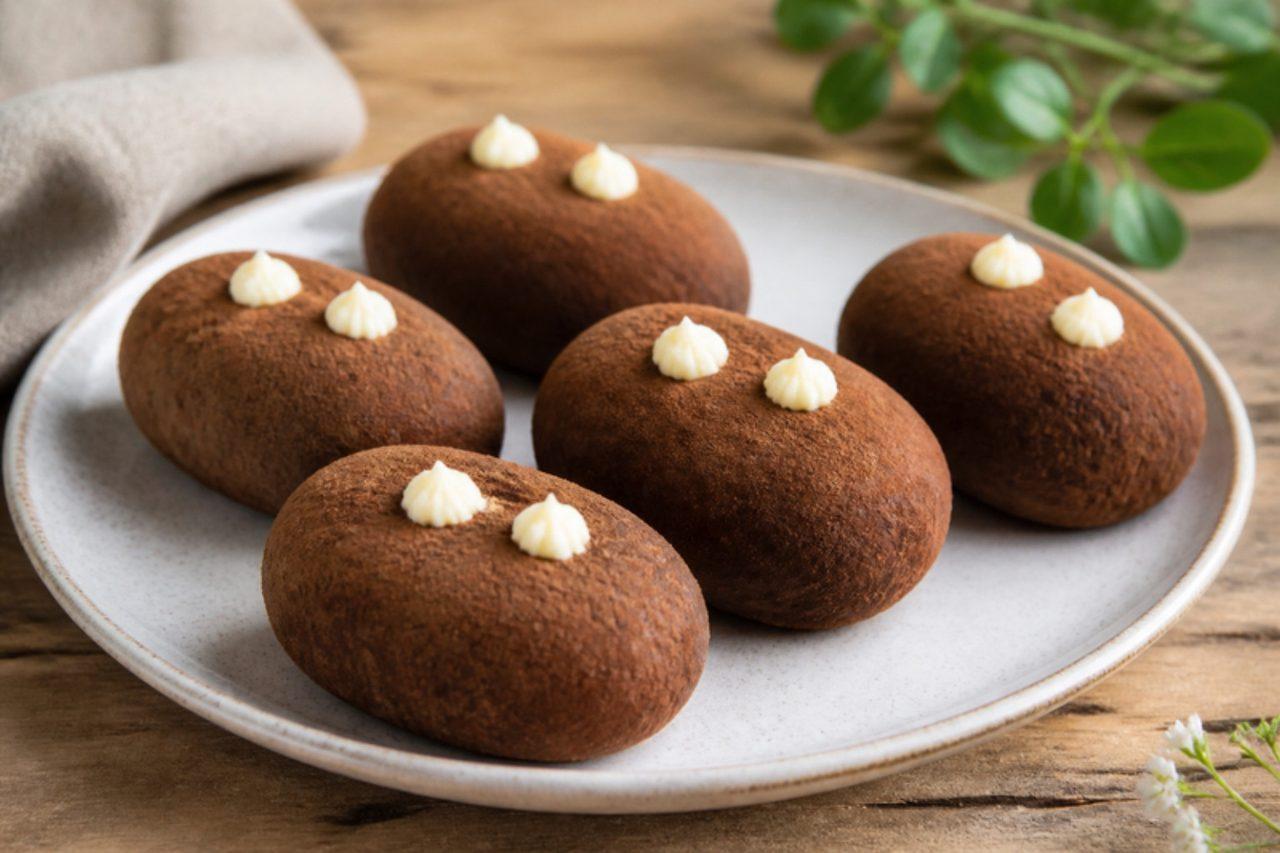
Soviet cafés and school canteens sold these knobbly brown 'potatoes' for a few kopecks, and they began as a thrifty way to use up sponge and biscuit trimmings at the bakery. Crumbs are bound with butter and sweetened condensed milk, flavoured with cocoa and vanilla, shaped into little potatoes, rolled in cocoa and finished with two dabs of pale butter cream for the sprouts. They are fudgy and dense like a brownie truffle, need no oven, and children love making them. Traditional bakers added a spoonful of rum, an optional extra for adult batches only; this version is alcohol-free with vanilla. The usual slip is coarse crumbs, which make the potatoes crack, so blitz them as fine as sand. Chef's tip: chill the shaped potatoes for at least 20 minutes so they hold their shape and slice cleanly.
 Russian
Ful nabitSprouted fava bean soup
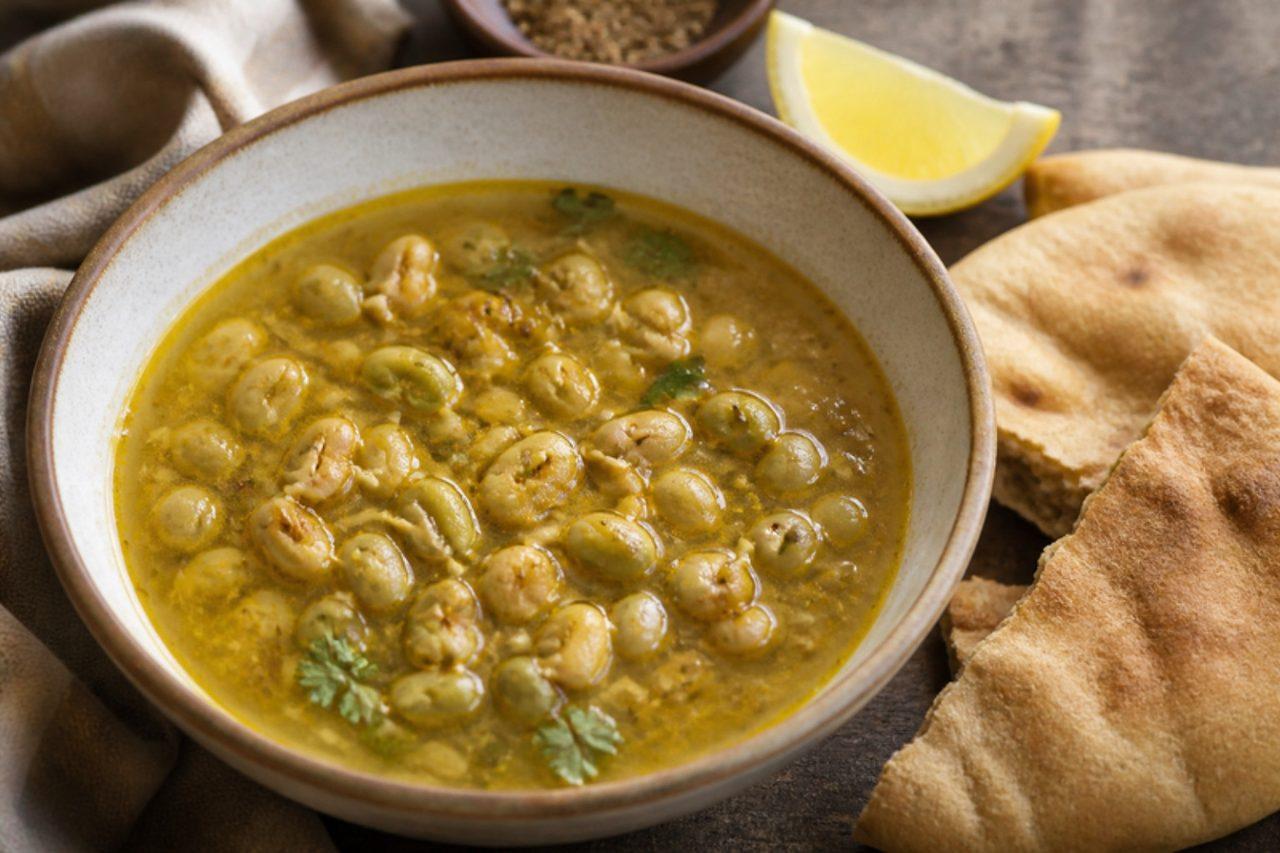
Sprouted beans are ladled out with their cooking liquor in Cairo homes when the weather turns cold or someone is feeling run down, and Egyptians swear by the broth as a pick-me-up. The beans are soaked and left to sprout for a few days, then simmered with onion, garlic and cumin into a light, earthy soup that is sharpened at the table with plenty of lemon. You can eat the beans with a spoon or pop them from their skins. Allow 3 to 4 days for sprouting, although the hands-on work is only about 20 minutes. People with G6PD deficiency (favism) must not eat fava beans. Chef's tip: stop the sprouting when the shoots are about 1 cm long; longer sprouts taste grassy and bitter.



Undu walaluFried urad dal rings in treacle
Walalu means bangles, and these dark, sticky rings of fried urad dal soaked in kithul treacle are a sweet that Sinhala families bring out for Avurudu and for special almsgivings, often made in large batches by an aunt known for her steady hand. A thick, fluffy paste of ground black gram is piped into loops and fried until crisp, then plunged straight into warm treacle, so the rings stay crunchy on the outside while drinking up the syrup. They taste a little like a darker, smokier jalebi, with a toffee finish from the palm treacle. Watery batter is what ruins them; it spreads into flat blobs, so grind the soaked dal with as little water as possible and beat it until light. This recipe uses no asafoetida, so it is naturally gluten free. Chef's tip: pipe the rings onto small squares of baking paper and lower them into the oil paper and all; the paper peels away in seconds.
 Sri Lankan