
AI-generated image
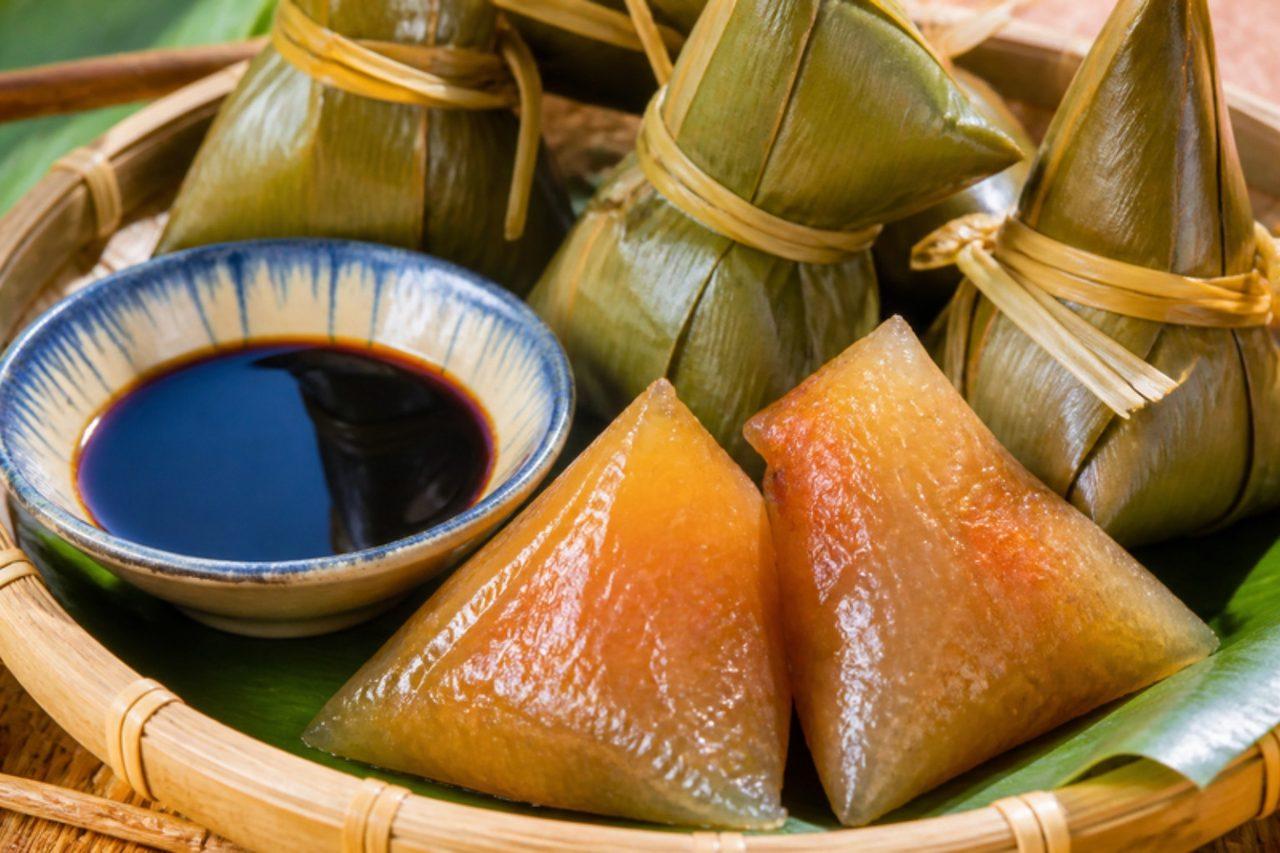
Bánh tro (bánh gio, amber glutinous rice cakes in leaves)
Lye water glutinous rice cakes
Lye-soaked glutinous rice boiled in leaves until jelly-like, with sugarcane molasses


On Tết Đoan Ngọ, the fifth day of the fifth lunar month, families in northern and central Vietnam eat bánh tro first thing in the morning, believing it cools the body as summer heat arrives. Glutinous rice is soaked in alkaline water, which was once made by steeping plant ash, then wrapped in leaves and boiled for hours. It turns amber, translucent and jelly-soft with a clean, faintly mineral flavour, and is eaten cold, dipped in sugarcane molasses or palm-sugar syrup. Bánh tro is naturally egg-free: the alkali softens the rice grains so their own starch melts together into a firm, sliceable cake. We use food-grade lye water (an alkaline solution of potassium carbonate and sodium bicarbonate sold in Asian shops for noodles and mooncakes). Handle it with care: wear gloves, keep it away from children, never use drain cleaner or caustic soda, and always dilute it as written. Chef's tip: the common mistake is skipping the rinse; wash the soaked rice twice so the cakes taste clean, not soapy.
- Total time
- 600 min
- Difficulty
- hard
- Serves
- 10
Ingredients
For the cakes
- 1 ⅛ lb glutinous rice
- 2 tbsp food-grade lye waterpotassium carbonate solution; check the label says food grade
- 6 ¼ cups cold waterfor soaking
- 10 dong or banana leavesabout 25 x 30 cm, washed and wiped
- 10 pieces kitchen stringor strips of leaf
To serve
- ¾ cup sugarcane molassesor palm sugar syrup
Shop this recipe on Amazon
What you'll need
Fresh ingredients (1)
Links open Amazon in a new tab. As an Amazon Associate, WhatToEat.Today earns from qualifying purchases.
Method
0/9 doneStep 1: Rinse 1 ⅛ lb glutinous rice until the water runs nearly clear. Wearing gloves, stir 2 tbsp food-grade lye water into 6 ¼ cups cold water in a glass or plastic bowl, never aluminium.
Step 2: Add the rice to the lye water, cover and soak for 6 hours at cool room temperature. The grains will turn pale yellow and swell.
360 minStep 3: Drain, then rinse the rice twice under running water in a sieve and drain well. Rinse the bowl and your gloves too.
Step 4: Lay a leaf shiny side down, put 4 tbsp of rice in the middle and fold it into a loose rectangular parcel, leaving room for the rice to swell to almost double.
Step 5: Tie each parcel firmly with 10 pieces kitchen string and repeat with the rest of the rice and 10 dong or banana leaves.
Step 6: Put the parcels in a large pot, cover with plenty of water and weigh them down with a plate. Bring to the boil, then simmer over a medium-low heat for 3 hours, topping up with boiling water so they stay covered.
180 minStep 7: Lift out one parcel and open it: the rice should be amber, translucent and set into a smooth jelly with no white centre. If not, simmer 20–30 minutes more.
20 minStep 8: Rinse the cakes in cold water, hang or lay them on a rack to drain and cool, then chill for at least 1 hour.
Step 9: Unwrap, slice with a thread or wet knife and serve cold with ¾ cup sugarcane molasses for dipping. They keep 5 days in the fridge.
Nutrition per serving
- Calories
- 230 kcal
- Protein
- 4 g
- Carbs
- 52 g
- Fat
- 1 g
- Fibre
- 1 g
Nutrition values are estimates.
KrazyBadal
Good to know
- How long does bánh tro (bánh gio, amber glutinous rice cakes in leaves) take?
- About 600 minutes in total: 390 minutes to prepare and 210 minutes to cook.
- How many people does it serve?
- 10 as written. Change the servings above the ingredients and every amount scales to match.
- Is it vegan?
- Yes. It has no meat, fish, dairy or eggs.
- Is it gluten free?
- Yes, as written. Check the labels on stock, sauces and spice mixes, which sometimes contain gluten.
- Can I make it ahead?
- Yes. It keeps well, so you can cook it earlier in the day or the day before and reheat it.
- What can I use instead of glutinous rice?
- Any long-grain rice, same amount.
Reviews
No reviews yet. Be the first to cook it.
Rate this recipe
Sign in to rate and review this recipe.
You might also like
Caramelised clay-pot tofu and mushroomsBraised tofu and mushrooms
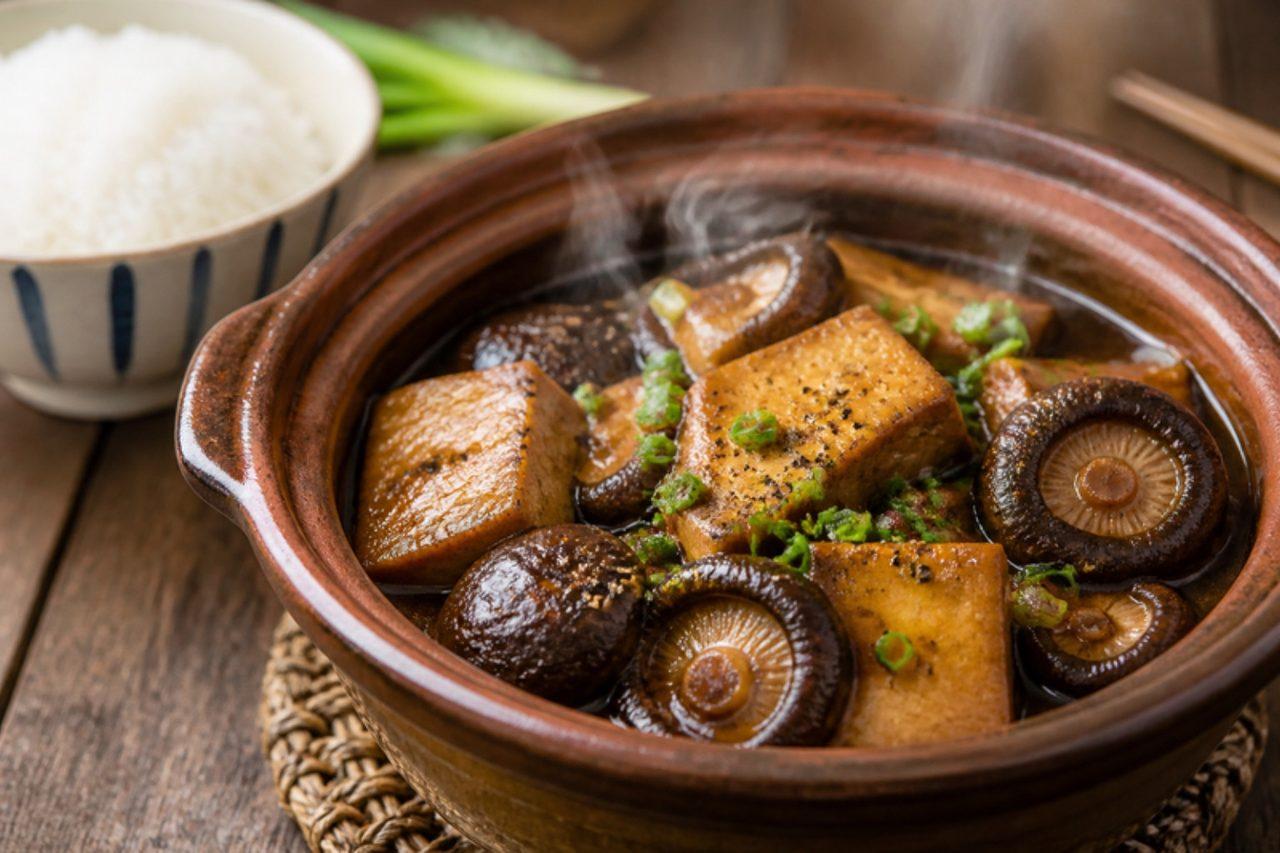
Kho is the slow braise of the Mekong Delta: food simmered in a little clay pot (nồi đất) with dark caramel and seasoning until the sauce is sticky and the flavours go deep. This vegetarian cousin of cá kho tộ (braised fish) uses golden tofu and meaty mushrooms in place of fish, cooked in coconut water, as cooks do in the south, and finished with plenty of black pepper. Serve it bubbling in its pot with steamed rice and a sour soup or plain boiled vegetables. Chef's tip: take the caramel (nước màu) to a deep mahogany, darker than you think, just before it smokes; pale caramel only tastes sweet, while dark caramel gives the bittersweet, smoky flavour of a real kho.

Kartoshka cakeCocoa and cake crumb truffles
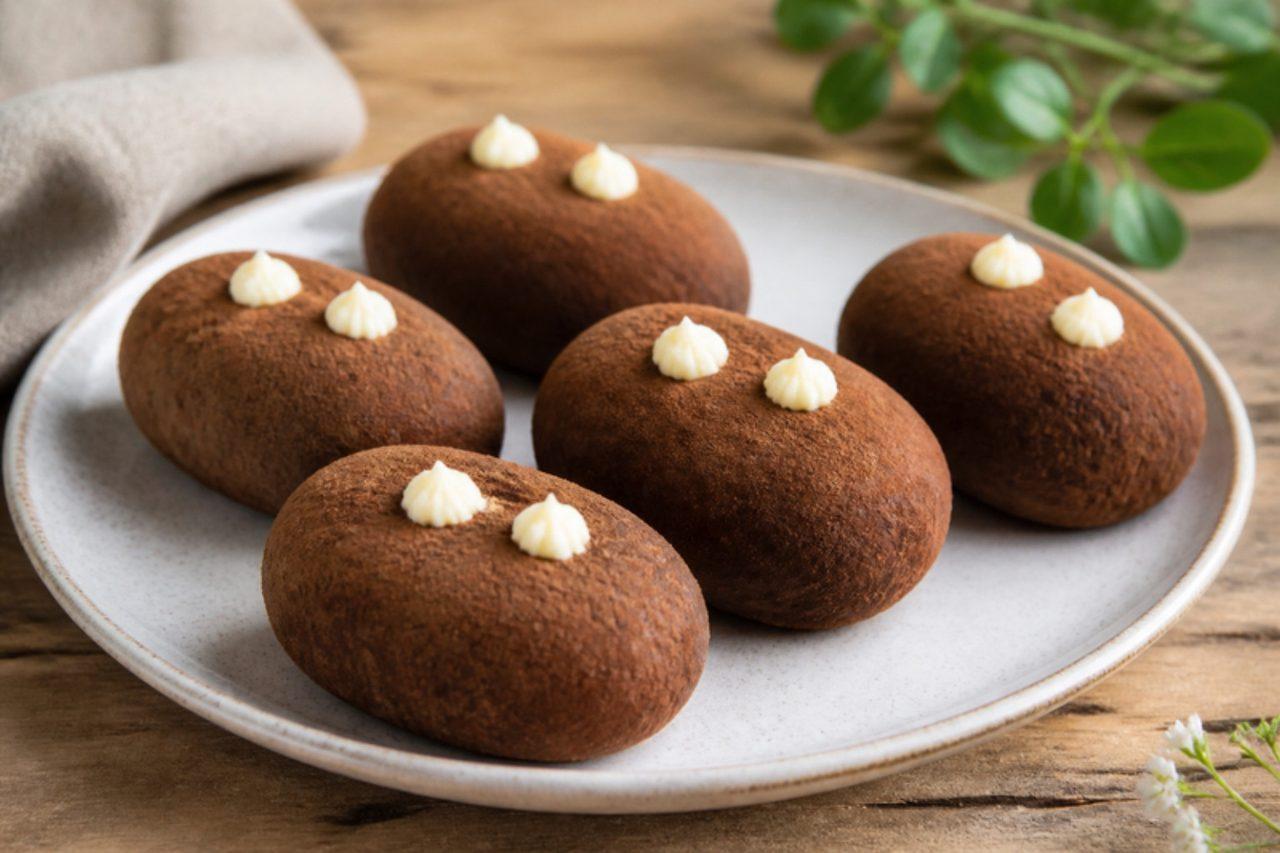
Soviet cafés and school canteens sold these knobbly brown 'potatoes' for a few kopecks, and they began as a thrifty way to use up sponge and biscuit trimmings at the bakery. Crumbs are bound with butter and sweetened condensed milk, flavoured with cocoa and vanilla, shaped into little potatoes, rolled in cocoa and finished with two dabs of pale butter cream for the sprouts. They are fudgy and dense like a brownie truffle, need no oven, and children love making them. Traditional bakers added a spoonful of rum, an optional extra for adult batches only; this version is alcohol-free with vanilla. The usual slip is coarse crumbs, which make the potatoes crack, so blitz them as fine as sand. Chef's tip: chill the shaped potatoes for at least 20 minutes so they hold their shape and slice cleanly.
 Russian
Undu walaluFried urad dal rings in treacle
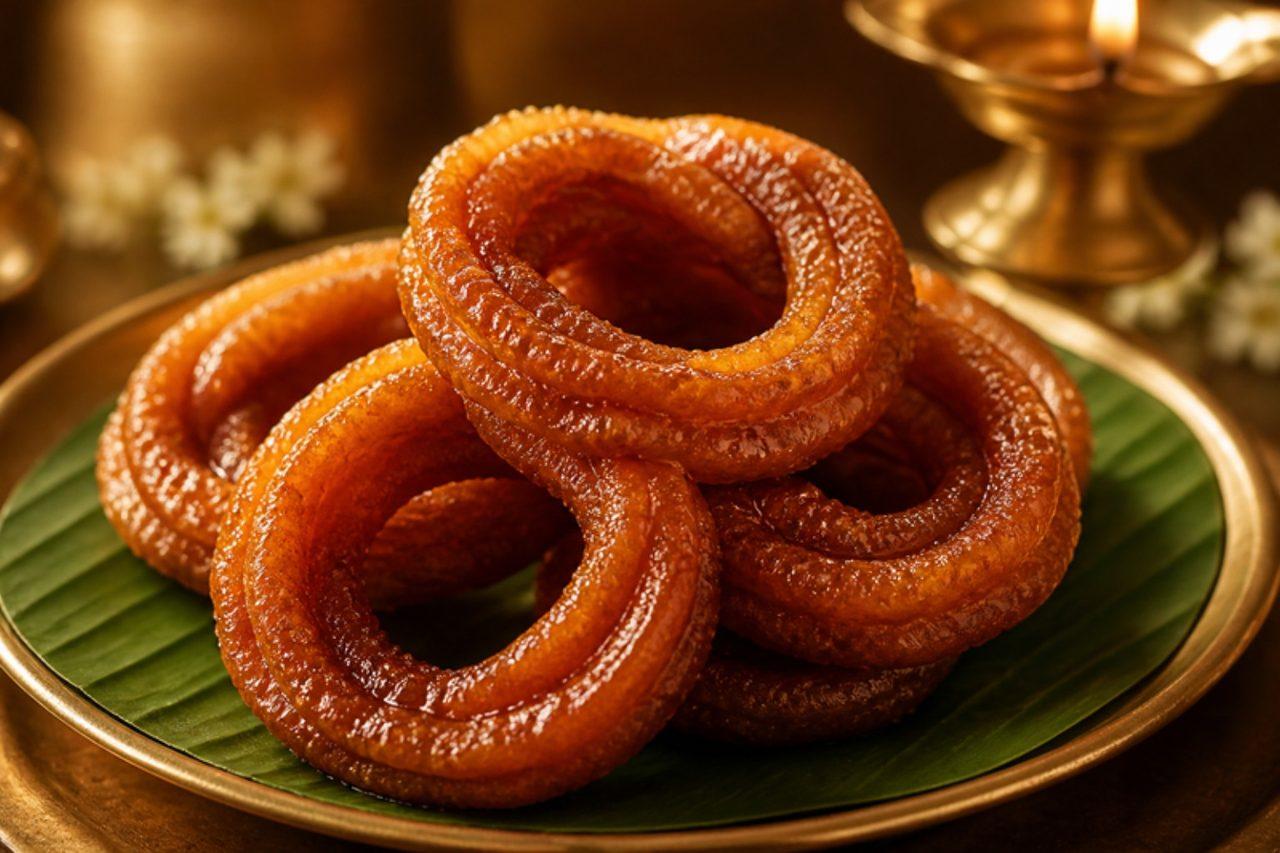
Walalu means bangles, and these dark, sticky rings of fried urad dal soaked in kithul treacle are a sweet that Sinhala families bring out for Avurudu and for special almsgivings, often made in large batches by an aunt known for her steady hand. A thick, fluffy paste of ground black gram is piped into loops and fried until crisp, then plunged straight into warm treacle, so the rings stay crunchy on the outside while drinking up the syrup. They taste a little like a darker, smokier jalebi, with a toffee finish from the palm treacle. Watery batter is what ruins them; it spreads into flat blobs, so grind the soaked dal with as little water as possible and beat it until light. This recipe uses no asafoetida, so it is naturally gluten free. Chef's tip: pipe the rings onto small squares of baking paper and lower them into the oil paper and all; the paper peels away in seconds.
 Sri Lankan
