
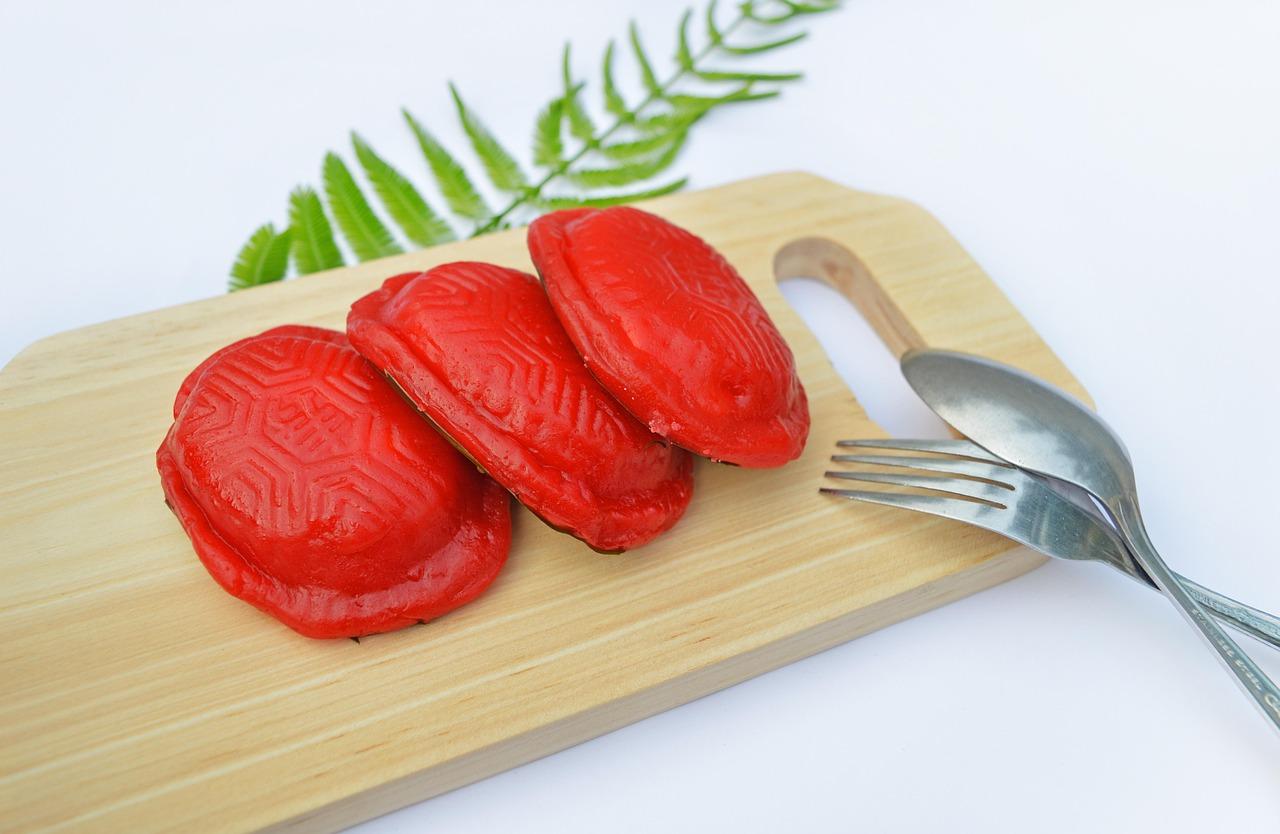
Ang ku kueh
Âng-ku-kóe (紅龜粿): red tortoise-shaped glutinous rice cakes with sweet mung bean filling


Red for luck and shaped like a tortoise for long life, ang ku kueh are carried to Hokkien and Teochew family altars and handed out in boxes at a baby's first-month celebration, at elders' birthdays and at temple festivals across Singapore, from Chinatown shophouses to neighbourhood confectioners in Bukit Merah. The skin is soft, chewy and slightly elastic, made from glutinous rice flour kneaded with mashed sweet potato, and it wraps a smooth, mildly sweet filling of split mung bean (or crushed peanut and sugar). Each cake is pressed in a carved wooden mould and steamed on a square of banana leaf. The usual mistake is steaming over a fierce boil, which makes the skin puff up, crack and lose the printed pattern; steam gently with the lid slightly open. Chef's tip: brush the cakes with a little oil the moment they come out of the steamer, so the pattern shines and the skin doesn't dry out or stick together.
- Total time
- 130 min
- Difficulty
- hard
- Serves
- 12
Ingredients
For the mung bean filling
- 7 oz split peeled mung beanssoaked for at least 3 hours
- 3 ⅞ oz sugar
- 3 tbsp vegetable oil
- 1 pinch salt
- 2 pandan leaves (optional)knotted
For the skin
- 5 ½ oz orange sweet potatopeeled and sliced
- 9 oz glutinous rice flourplus extra for dusting
- 1 ⅜ oz sugar
- 2 tbsp vegetable oil
- ½ cup warm wateradd gradually
- ½ tsp red food colouringor red yeast rice powder
For moulding and steaming
- 12 squares banana leavescut 8 cm square, wiped and blanched
- 2 tbsp vegetable oilfor brushing
Shop this recipe on Amazon
What you'll need
Fresh ingredients (3)
Links open Amazon in a new tab. As an Amazon Associate, WhatToEat.Today earns from qualifying purchases.
Method
0/11 doneStep 1: Drain the soaked 7 oz split peeled mung beans, spread in a heatproof dish and steam over a medium-high heat for 20–25 minutes, until they crush easily between your fingers.
25 minStep 2: Blend or mash the hot beans to a smooth paste. Cook in a non-stick pan with 3 ⅞ oz sugar, 3 tbsp vegetable oil, 1 pinch salt and 2 pandan leaves over a low heat for 10–12 minutes, stirring, until it no longer sticks to the pan and can be rolled into a ball. Discard the pandan and cool.
12 minStep 3: Divide the cool filling into 12 balls of about 30 g each. Cover so they don't dry out.
Step 4: Steam 5 ½ oz orange sweet potato for 12–15 minutes, until very soft, then mash until completely smooth while still hot.
15 minStep 5: In a bowl, mix 9 oz glutinous rice flour and 1 ⅜ oz sugar. Add the hot mashed sweet potato, 2 tbsp vegetable oil and ½ tsp red food colouring, then add ½ cup warm water a little at a time, kneading, until you have a smooth, soft dough like play dough that doesn't crack at the edges. You may not need all the water.
5 minStep 6: Divide the dough into 12 pieces of about 40 g. Flatten one in your palm into a 9 cm disc, thinner at the edges than the centre.
Step 7: Put a filling ball in the middle and gather the dough up and over it, pinching to seal. Roll into a smooth ball, seam underneath.
Step 8: Dust a carved ang ku kueh mould lightly with glutinous rice flour and tap out the excess. Press the ball firmly into the mould, flattening the back so it fills every groove.
Step 9: Knock the mould sharply on the worktop to release the cake and set it on a lightly oiled square of 12 squares banana leaves. Repeat with the rest.
Step 10: Steam over a medium-low heat for 8–10 minutes, with a chopstick wedged under the lid so steam escapes, until the skin looks slightly glossy and the colour deepens. Steam in batches, keeping the cakes apart.
10 minStep 11: Brush the hot cakes straight away with 2 tbsp vegetable oil and let them cool on a rack. They are best the day they are made, kept covered at room temperature.
Nutrition per serving
- Calories
- 200 kcal
- Protein
- 5 g
- Carbs
- 37 g
- Fat
- 5 g
- Fibre
- 2 g
Nutrition values are estimates.
KrazyBadal
Good to know
- How long does ang ku kueh take?
- About 130 minutes in total: 90 minutes to prepare and 40 minutes to cook.
- How many people does it serve?
- 12 as written. Change the servings above the ingredients and every amount scales to match.
- Is it vegan?
- Yes. It has no meat, fish, dairy or eggs.
- Is it gluten free?
- Yes, as written. Check the labels on stock, sauces and spice mixes, which sometimes contain gluten.
- What can I use instead of sugar?
- Caster sugar, same amount.
- What can I use instead of orange sweet potato?
- Sweet potato, same weight (sweeter, cooks a little faster).
Reviews
No reviews yet. Be the first to cook it.
Rate this recipe
Sign in to rate and review this recipe.
You might also like
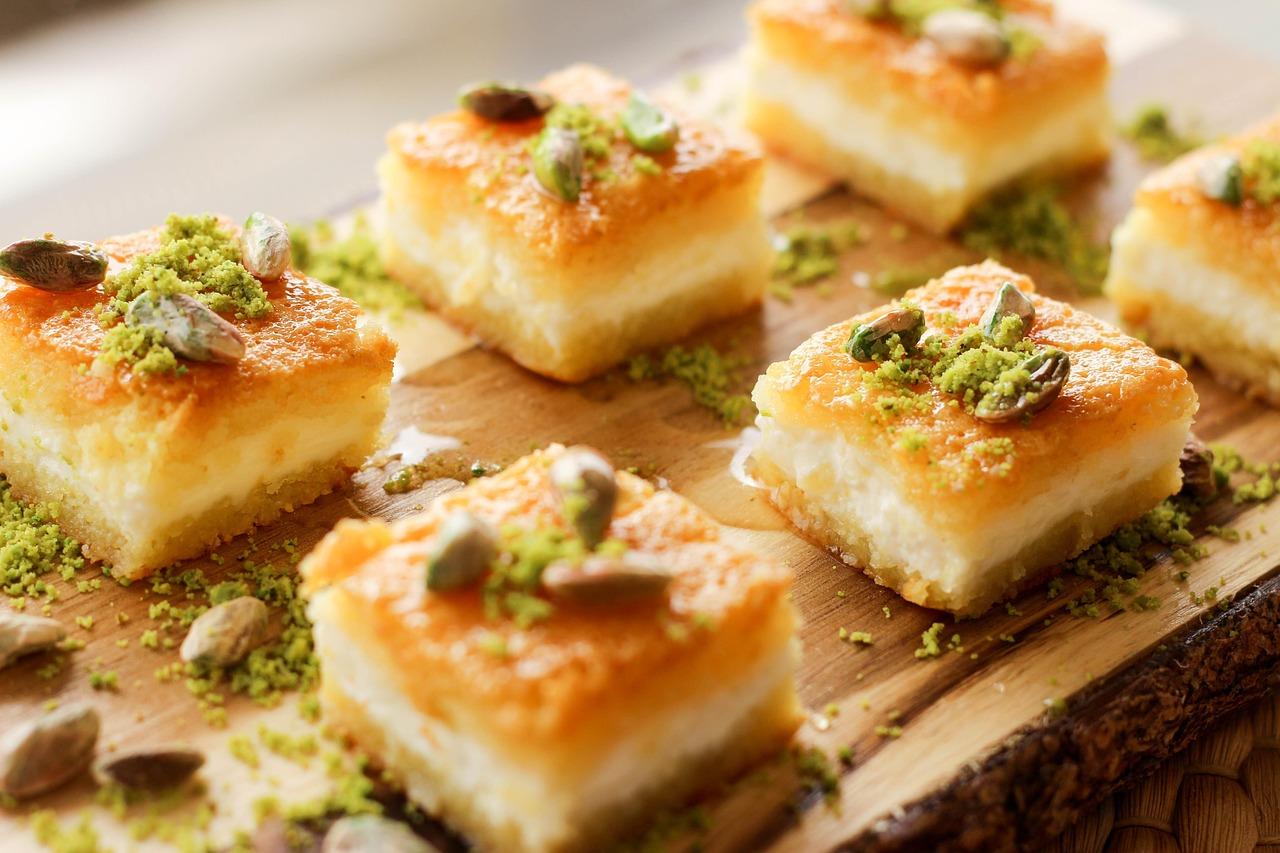
Baklava
The famous layered pastry: crisp sheets of buttered fillo sandwich a filling of almonds, pistachios and cashews spiced with cinnamon, cardamom and saffron. After baking, the hot baklava is soaked in a syrup of sugar, honey, lemon, rose and cardamom and decorated with almond and pistachio flakes. Cut into 40 diamonds; serve with fresh cream or ice cream.
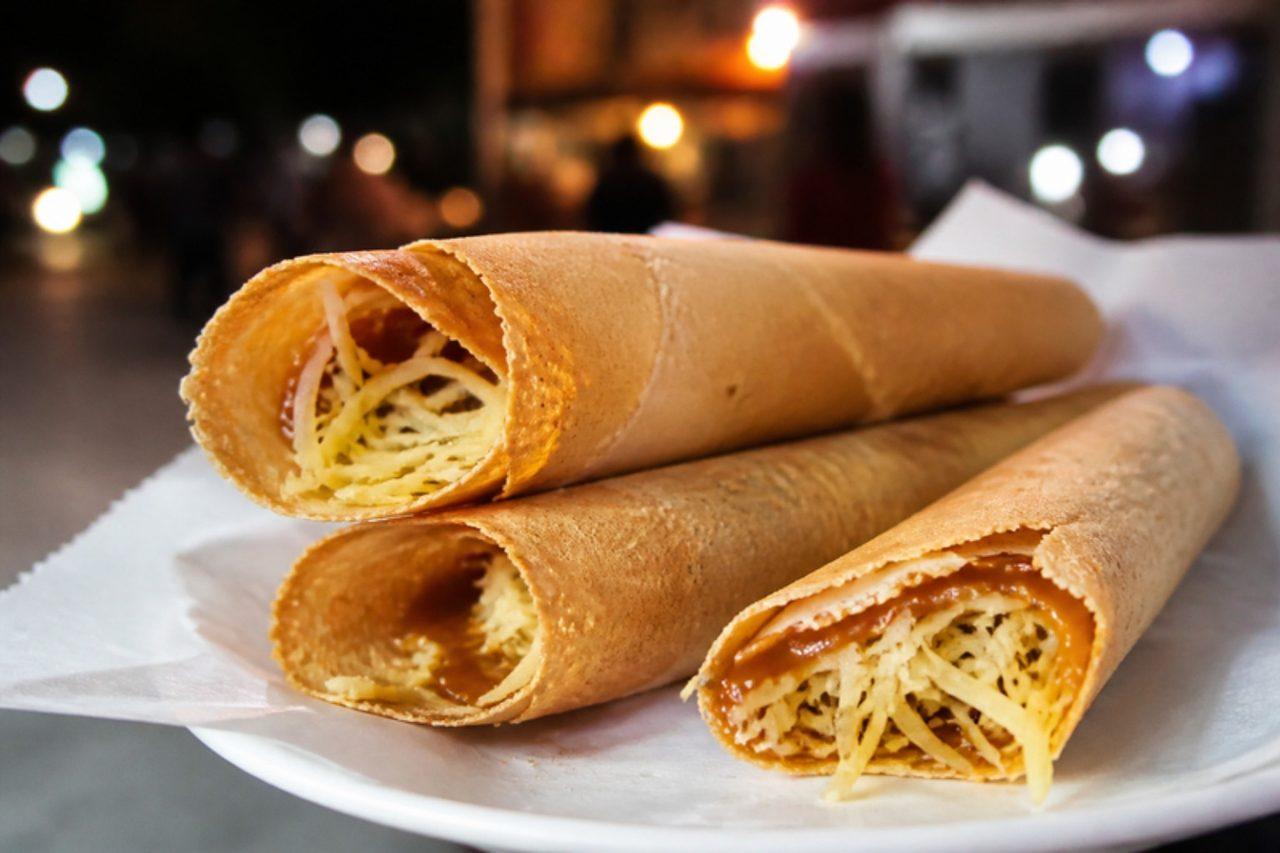
Marquesitas
Evening in Mérida's Plaza Grande means the smell of marquesitas: thin batter pressed in hot hinged irons until crisp, then rolled like a cigar around grated Edam cheese and a sweet filling such as cajeta, chocolate-hazelnut spread or jam. Edam came to the Yucatán through the port trade with the Netherlands and became part of the local cooking, and the salty-sweet combination is the whole point. At home you can cook them in a thin, wide frying pan. Edam is usually made with animal rennet, so check the label or use a vegetarian Gouda-style cheese. Chef's tip: roll while the crêpe is still in the pan and hot; within seconds it hardens and will crack.
 Mexican
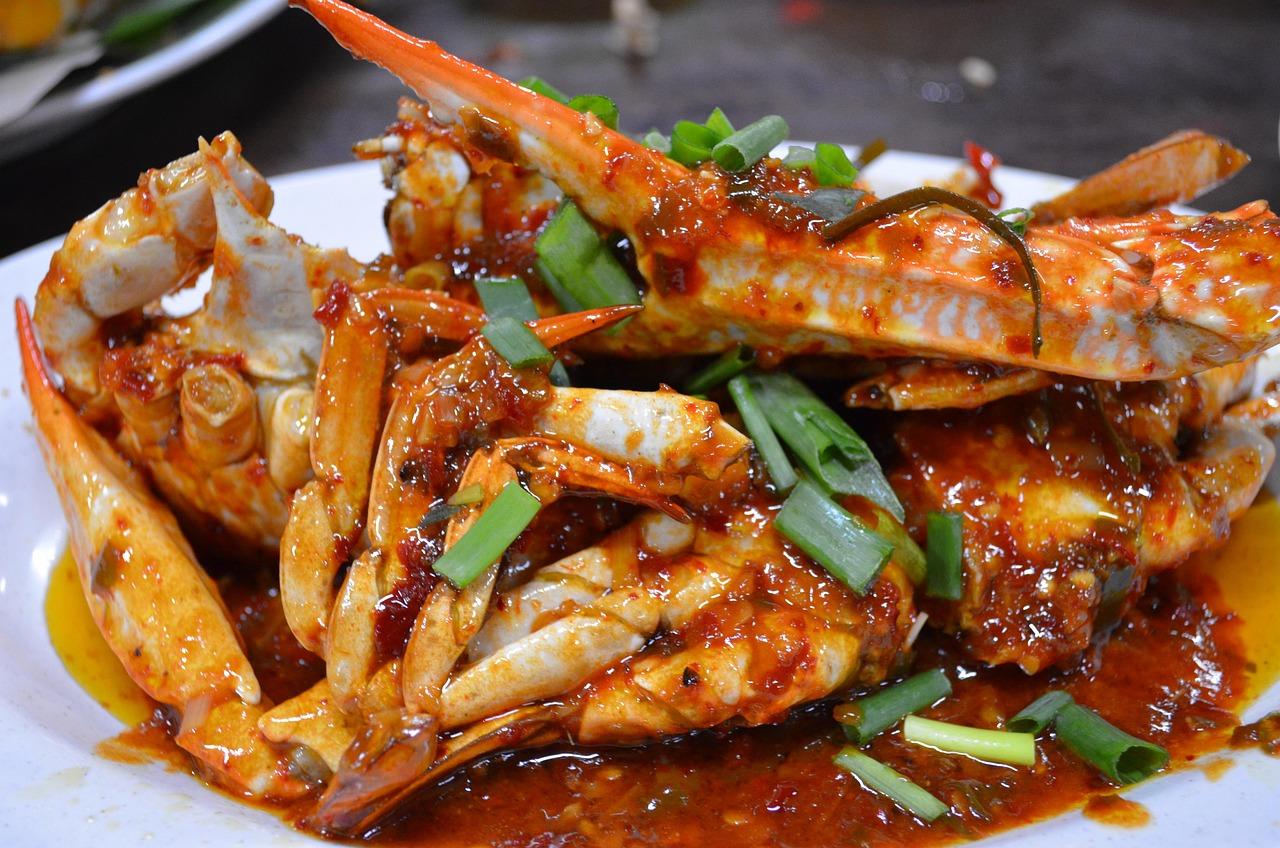
Singapore chilli crab
Chilli crab was first sold from a pushcart on the Kallang river in the 1950s and is now the dish visitors queue for along Singapore's East Coast seafood strip. Big mud crabs are cut up, wok-fried and simmered in a thick, sweet, tangy and gently hot sauce of chilli, tomato and garlic, which is then silked with beaten egg. Everyone eats with their hands and mops up the sauce with fried or steamed mantou buns. It is a weekend or celebration meal, messy and loud. Buy crabs live or freshly cooked the same day from a fishmonger you trust. Discard any live crab that doesn't move, smells of ammonia or has a cracked, leaking shell. The common mistake is boiling the sauce after adding the egg, which scrambles it into lumps; pour it in a thin stream over a low heat. Chef's tip: ask the fishmonger to clean and quarter the crab for you, and crack each claw lightly with the back of a cleaver so the sauce soaks in.
