
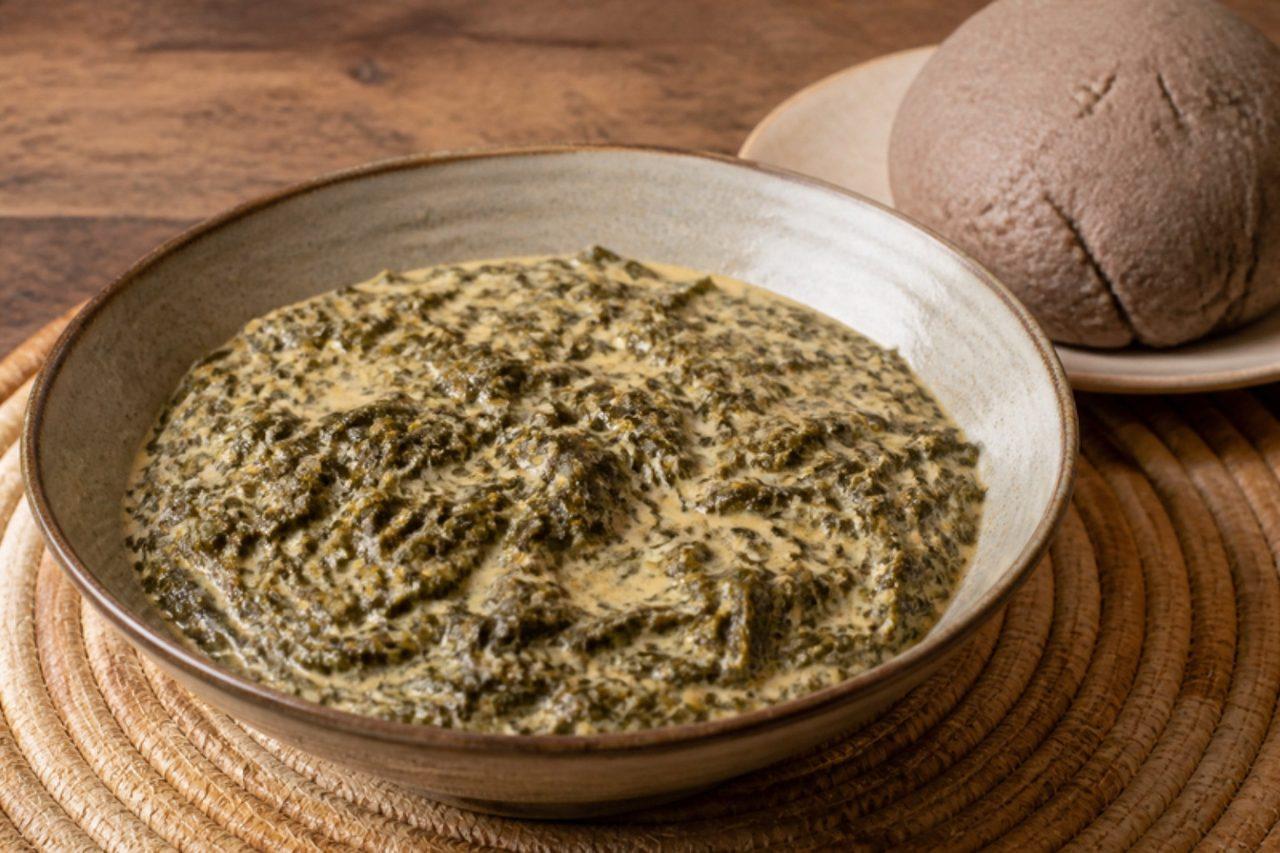
AI-generated image
Boo
Boo: northern Ugandan cowpea leaves simmered in groundnut paste


Ask someone from Lira or Kitgum what home tastes like and many will say boo, the leaves of the cowpea plant, picked young from the same fields that give the beans. Slow-cooked until they are dark and silky, then thickened with groundnut paste, they turn into a mellow, slightly bitter, deeply savoury green sauce with none of the tartness of malakwang. It is everyday food, eaten with kalo, posho or sweet potatoes. Fresh, frozen or dried cowpea leaves are sold at African grocers; kale or spring greens stand in well. Chef's tip: a pinch of bicarbonate of soda in the first boil softens tough leaves quickly and keeps their colour; any more than a pinch makes them soapy.
- Total time
- 40 min
- Difficulty
- easy
- Serves
- 4
Ingredients
- 14 oz cowpea leavesfresh or frozen from African grocers; or 400 g kale, stems removed
- 1 pinch bicarbonate of soda
- 1 ¾ cups water
- 1 onionfinely chopped
- 1 tomatochopped
- 4 ½ oz peanut buttersmooth, unsweetened
- 1 tsp salt
Shop this recipe on Amazon
Spices & pantry
Links open Amazon in a new tab. As an Amazon Associate, WhatToEat.Today earns from qualifying purchases.
Method
0/6 doneStep 1: Wash 14 oz cowpea leaves and shred them finely with a sharp knife.
Step 2: Bring 1 ¼ cups water to the boil in a pot over a high heat, add the leaves and 1 pinch bicarbonate of soda and boil until tender and soft when pinched.
10 minStep 4: Loosen 4 ½ oz peanut butter with the rest of ½ cup water and stir it into the pot with 1 tsp salt.
Step 5: Simmer over a low heat, stirring often so it does not catch, until the sauce is thick and creamy and the raw peanut taste has gone.
12 minStep 6: Taste for salt and serve hot with kalo or sweet potatoes.
Nutrition per serving
- Calories
- 230 kcal
- Protein
- 10 g
- Carbs
- 11 g
- Fat
- 17 g
- Fibre
- 5 g
Nutrition values are estimates.
KrazyBadal
Good to know
- How long does boo take?
- About 40 minutes in total: 10 minutes to prepare and 30 minutes to cook.
- How many people does it serve?
- 4 as written. Change the servings above the ingredients and every amount scales to match.
- Is it vegan?
- Yes. It has no meat, fish, dairy or eggs.
- Is it gluten free?
- Yes, as written. Check the labels on stock, sauces and spice mixes, which sometimes contain gluten.
- What can I use instead of bicarbonate of soda?
- Baking powder, three times the amount (the bake may taste slightly different).
- What can I use instead of onion?
- 2 shallots per onion.
Reviews
No reviews yet. Be the first to cook it.
Rate this recipe
Sign in to rate and review this recipe.
You might also like
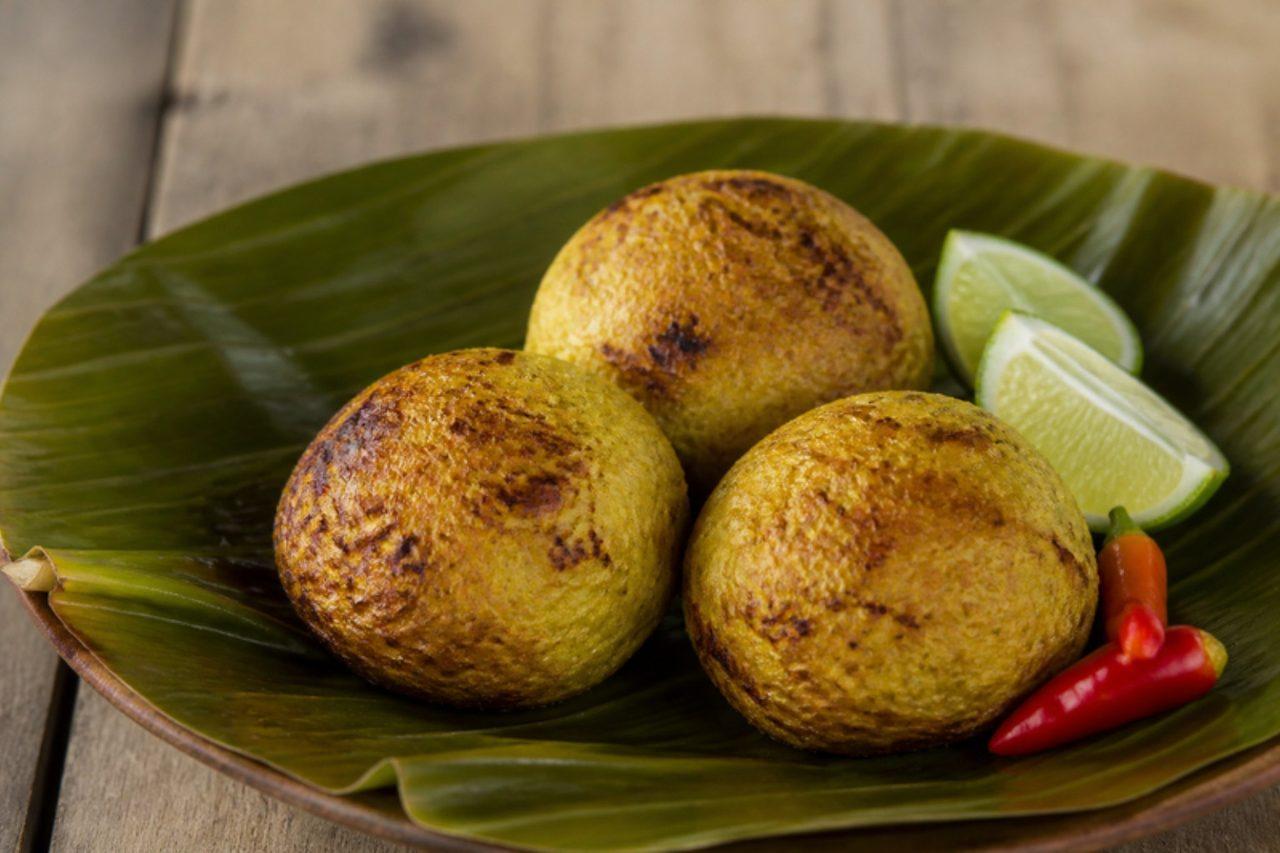
Tacacho
Tacacho is the breakfast of the Peruvian Amazon, from Tarapoto to Iquitos: green plantains roasted over coals, mashed with fat and salt and shaped into balls. There it comes with cecina (smoked pork) and is mashed with lard and crackling; this vegan tacacho uses good oil and a pinch of smoked paprika for the same savoury, smoky depth. The balls are dense, chewy and starchy, crisp at the edges where the plantain charred, and they are eaten hot with a fiery chilli sauce or alongside stews. Use plantains that are fully green and firm. Chef's tip: mash the plantains while they are still very hot; as green plantain cools its starch sets and it won't bind into a smooth ball.
 Peruvian


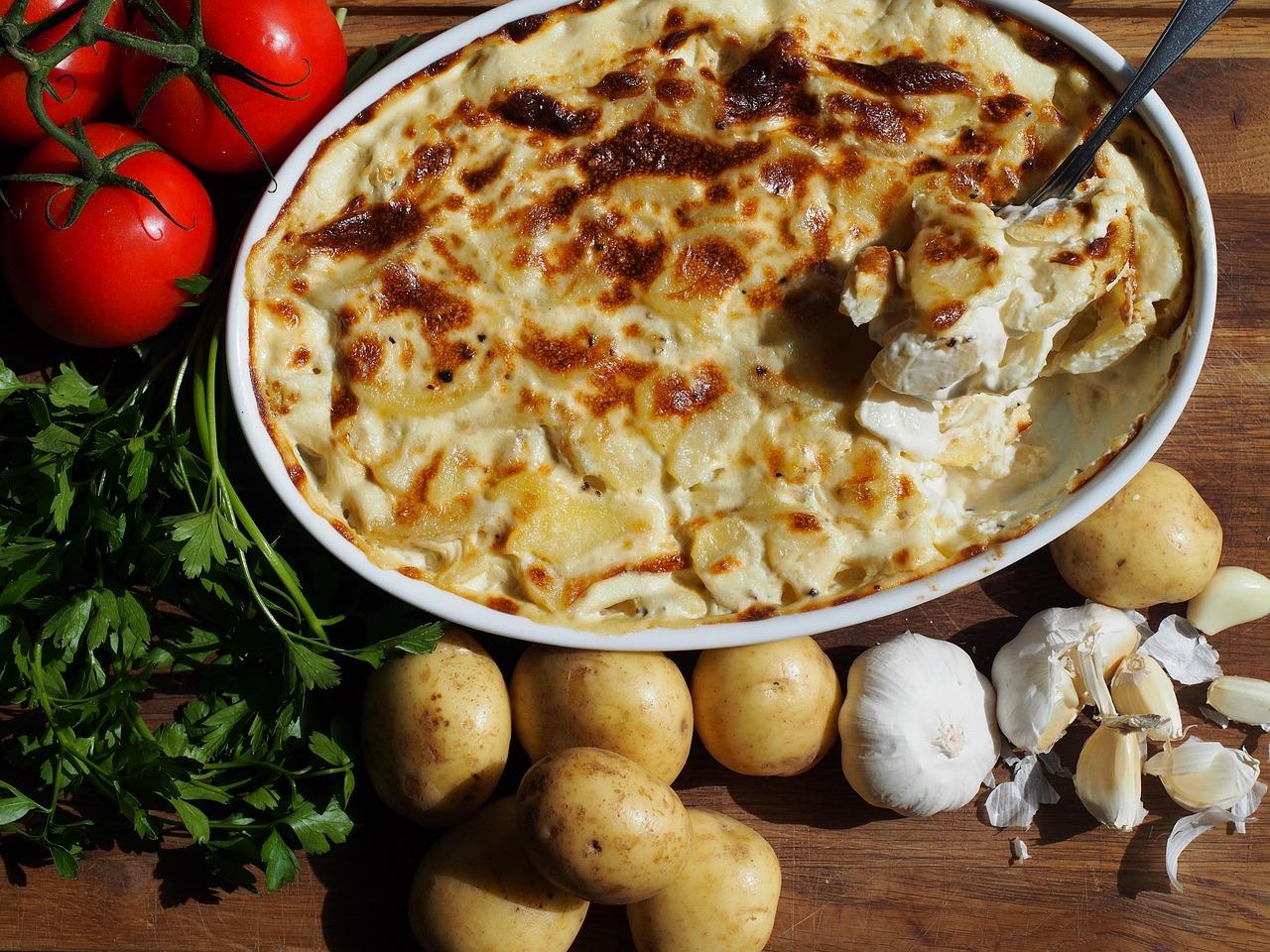
Baked cream potatoes
Thin potato slices and onion baked in fresh cream with plenty of garlic and coarse black pepper until tender and browned at the edges. Serve as a side dish with pizza or pasta, or as a snack with chilli and tomato sauce.
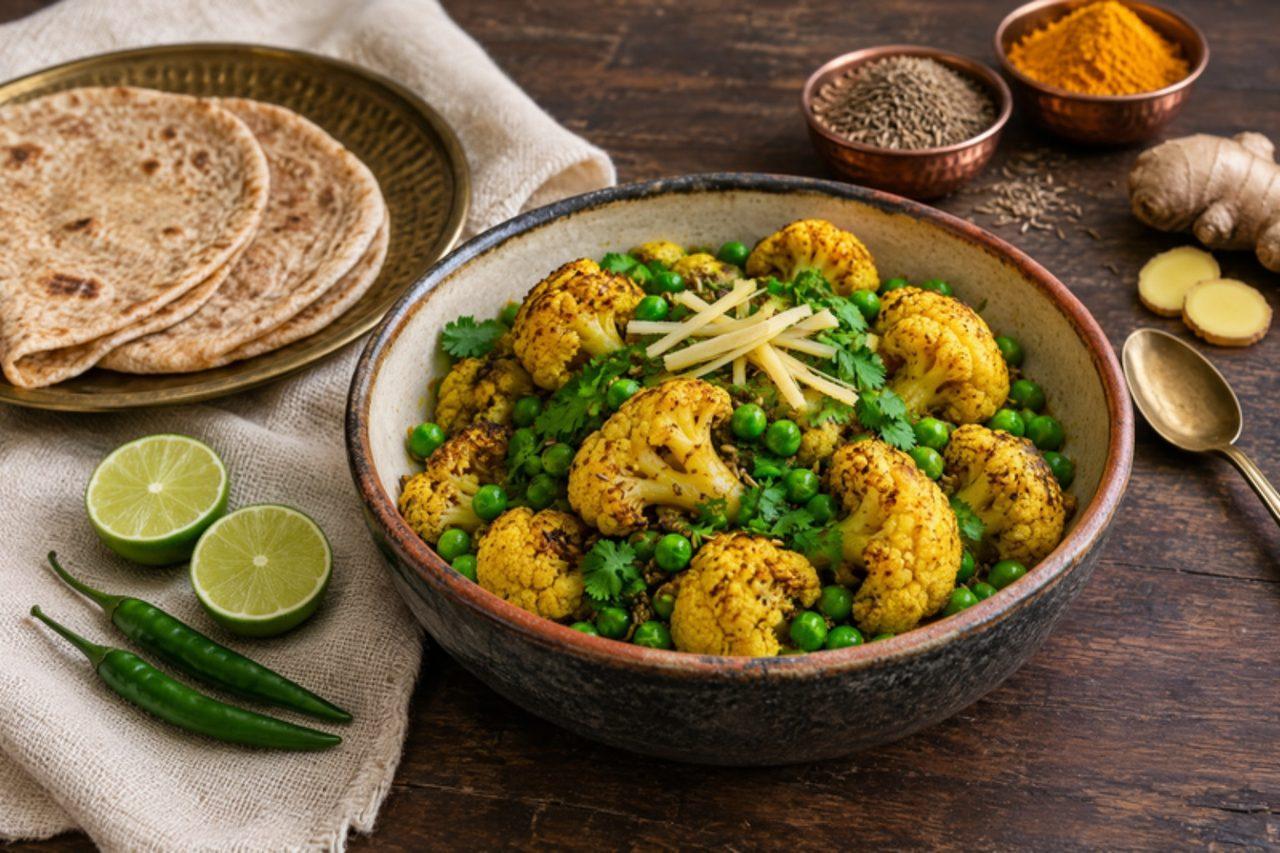
Gobi matar (cauliflower and peas)
In Punjab and Uttar Pradesh, winter means cauliflower and fresh peas, and gobi matar is what fills countless school and office dabbas between November and February. It is cooked dry, so the florets brown a little at the edges, sweetened by the peas and sharpened by plenty of ginger. The mistake is cooking the cauliflower covered with water until it is soft and smells of cabbage; steam it briefly in its own moisture, then fry it uncovered. Chef's tip: cut the florets so they have one flat side; that face sits on the pan and browns while the rest steams tender.
 Indian