

Acarajé with vegan vatapá
Bahian black-eyed pea fritters fried in dendê, split and filled with coconut-peanut vatapá (plus overnight soaking)


Acarajé is the street food of Salvador da Bahia, fried to order by the baianas de acarajé in their white lace dresses; the craft is protected as part of Brazil's cultural heritage. Peeled black-eyed peas are ground with onion, whipped until light and fried in dendê into crisp, airy fritters, then split and filled with vatapá, a rich paste of coconut, peanuts, cashews and ginger. Street versions add dried shrimp; this one leaves it out and leans on dendê and toasted nuts for depth. Add vinagrete and pepper sauce as they do in Salvador. Chef's tip: beat the bean paste until it's pale and fluffy, and test a little in a glass of water: when it floats, it's ready. That trapped air is what makes acarajé light inside.
- Total time
- 120 min
- Difficulty
- hard
- Serves
- 6
Ingredients
For the acarajé
For the vatapá
For frying and serving
To serve
Method
0/10 doneStep 1: The day before, cover the 1 ⅛ lb dried black-eyed peas with plenty of cold water and soak for 8–12 hours. They'll double in size.
Step 2: Peel the peas: blitz them in a food processor for a few 1-second pulses just to crack them, then tip into a big bowl of water and rub them between your palms. The loose skins float; pour them off and repeat 4–5 times until nearly all are gone. It's slow, but unpeeled peas make heavy, grey fritters.
30 minStep 3: Drain well and grind the peas with the 1 onion in the food processor to a fine, thick paste, adding no more than 2–3 tbsp water. It should feel like smooth, stiff hummus, with no gritty bits.
Step 4: Make the vatapá while the paste rests. Blend the 2 ⅝ oz roasted unsalted peanuts, 2 ⅝ oz roasted cashews, 1 onion, 2 garlic cloves, 1 tbsp fresh ginger and 1 tomato with half the ¾ cup coconut milk until smooth.
Step 5: Whisk the 2 ⅛ oz rice flour into the 1 ¼ cups water and the rest of the ¾ cup coconut milk in a heavy pan until there are no lumps. Add the nut mixture and bring to a simmer over a medium-low heat, whisking.
Step 6: Cook for 15–20 minutes, stirring constantly with a wooden spoon and scraping the bottom, until it's thick, glossy and pulls away from the pan like soft mashed potato. Stir in the 3 tbsp dendê (red palm oil), 3 tbsp fresh coriander and 1 tsp salt in the last 2 minutes; it will turn golden-orange.
20 minStep 7: Back to the bean paste: add the 1 tsp salt and beat it hard with a wooden spoon (or a stand mixer with the paddle) for 5–8 minutes, until it lightens in colour and looks fluffy. Drop a little into a glass of water: if it floats, it's ready; if it sinks, keep beating.
8 minStep 8: Heat the 1 cup dendê (red palm oil) and 2 cups vegetable oil in a deep, heavy pan to 350°F. Use two large spoons to shape quenelles of paste about the size of an egg and slide them into the oil, 3 or 4 at a time.
5 minStep 9: Fry for 6–8 minutes, turning once, until deep reddish-gold and crisp all over, and they sound hollow when tapped. Too-hot oil colours them before the middle cooks. Drain on kitchen paper.
25 minStep 10: To serve, split each acarajé almost in half like a bun and fill with a generous spoon of vatapá, then a spoon of vinagrete (tomato and onion salsa) and as much Bahian chilli sauce or chopped malagueta chillies in oil as you dare. Eat while hot and crisp.
Nutrition per serving
- Calories
- 560 kcal
- Protein
- 20 g
- Carbs
- 52 g
- Fat
- 31 g
- Fibre
- 11 g
Nutrition values are estimates.
KrazyBadal
Good to know
- How long does acarajé with vegan vatapá take?
- About 120 minutes in total: 60 minutes to prepare and 60 minutes to cook.
- How many people does it serve?
- 6 as written. Change the servings above the ingredients and every amount scales to match.
- Is it vegan?
- Yes. It has no meat, fish, dairy or eggs.
- Is it gluten free?
- Yes, as written. Check the labels on stock, sauces and spice mixes, which sometimes contain gluten.
- Is it very spicy?
- It has some heat. Use less chilli for a milder version, or more if you like it hot.
- What can I use instead of onion?
- 2 shallots per onion.
- What can I use instead of coconut milk?
- Single cream, same amount (not dairy free).
Reviews
No reviews yet. Be the first to cook it.
Rate this recipe
Sign in to rate and review this recipe.
You might also like
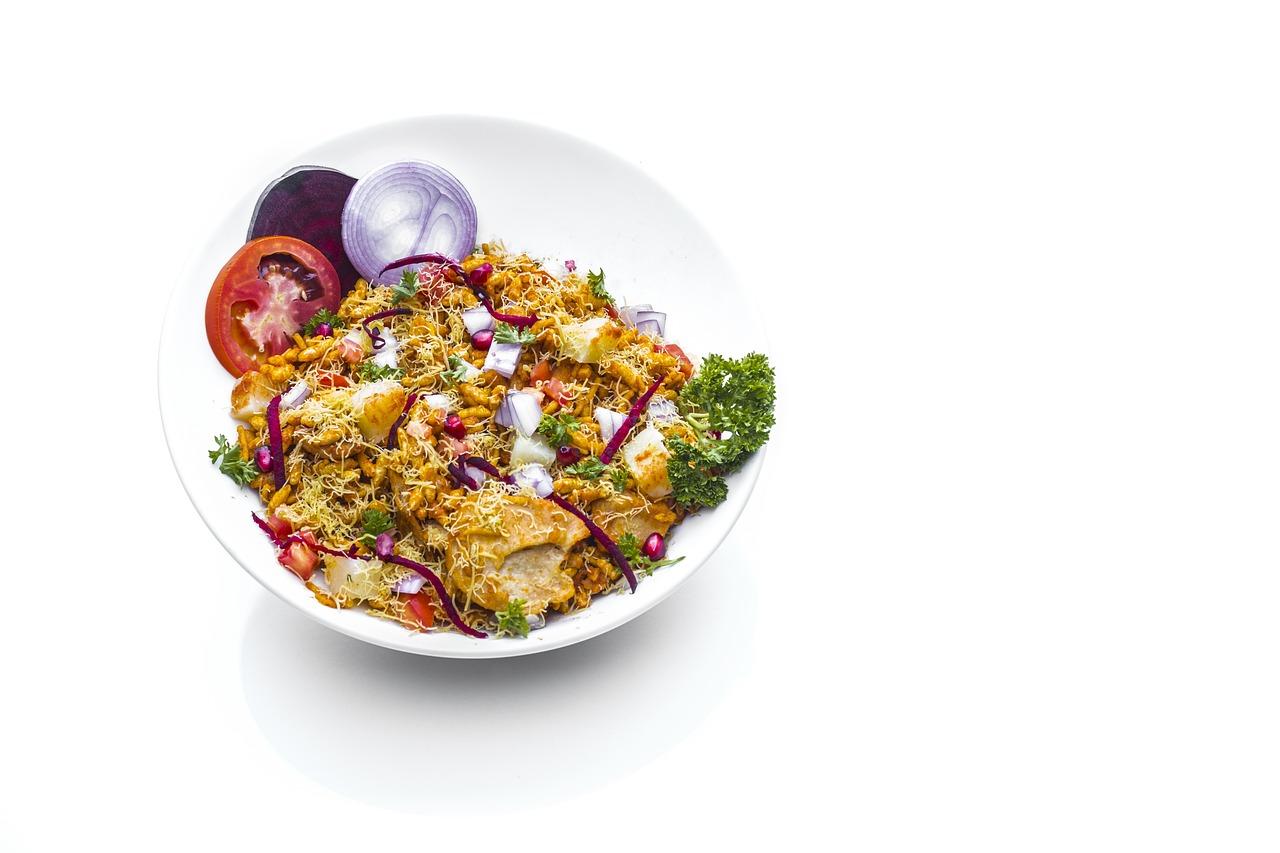
Coastal Mombasa mix
A Mombasa street-food bowl: chickpeas and potato simmered in coconut milk with raw mango and chilli, ladled into small bowls and topped with crisp lentil fritters, crunchy chevdo and red, green and tamarind chutneys. Make the fritters and chevdo ahead and assemble at the table. It's sweet, sour, hot and crunchy all at once.

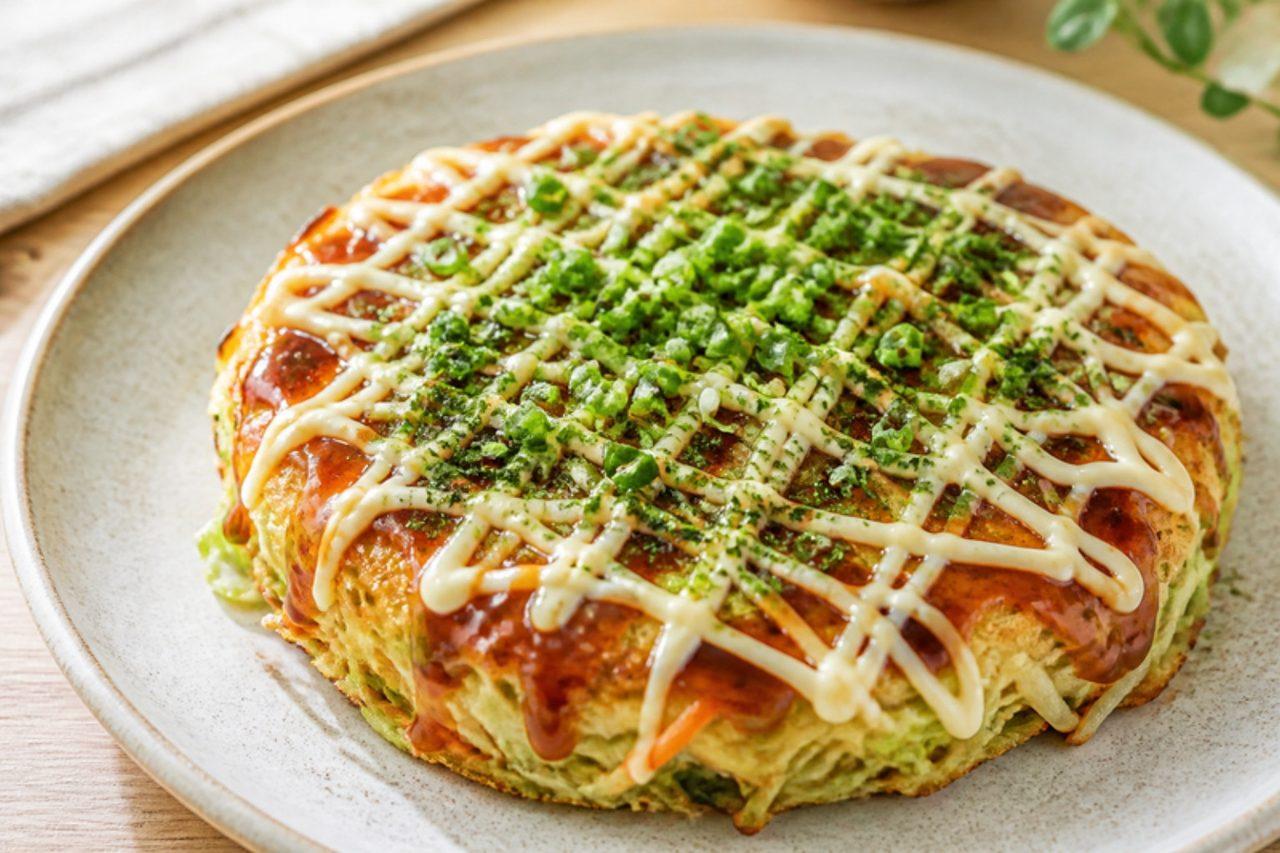
Okonomiyaki
Okonomiyaki (お好み焼き, 'grilled as you like it') is the pride of Osaka, where it's cooked on hot iron griddles in lively restaurants. Finely shredded cabbage is folded into a light batter with egg and spring onion, then fried into a thick, soft pancake with a crisp outside. It's painted with a fruity brown sauce and zigzagged with mayonnaise. Bonito flakes are usual on top; this vegetarian version uses seaweed flakes and pickled ginger instead. Chef's tip: don't press the pancake down with your spatula while it cooks. Osaka cooks leave it alone so the cabbage steams inside and stays light and fluffy; pressing squeezes out the air.
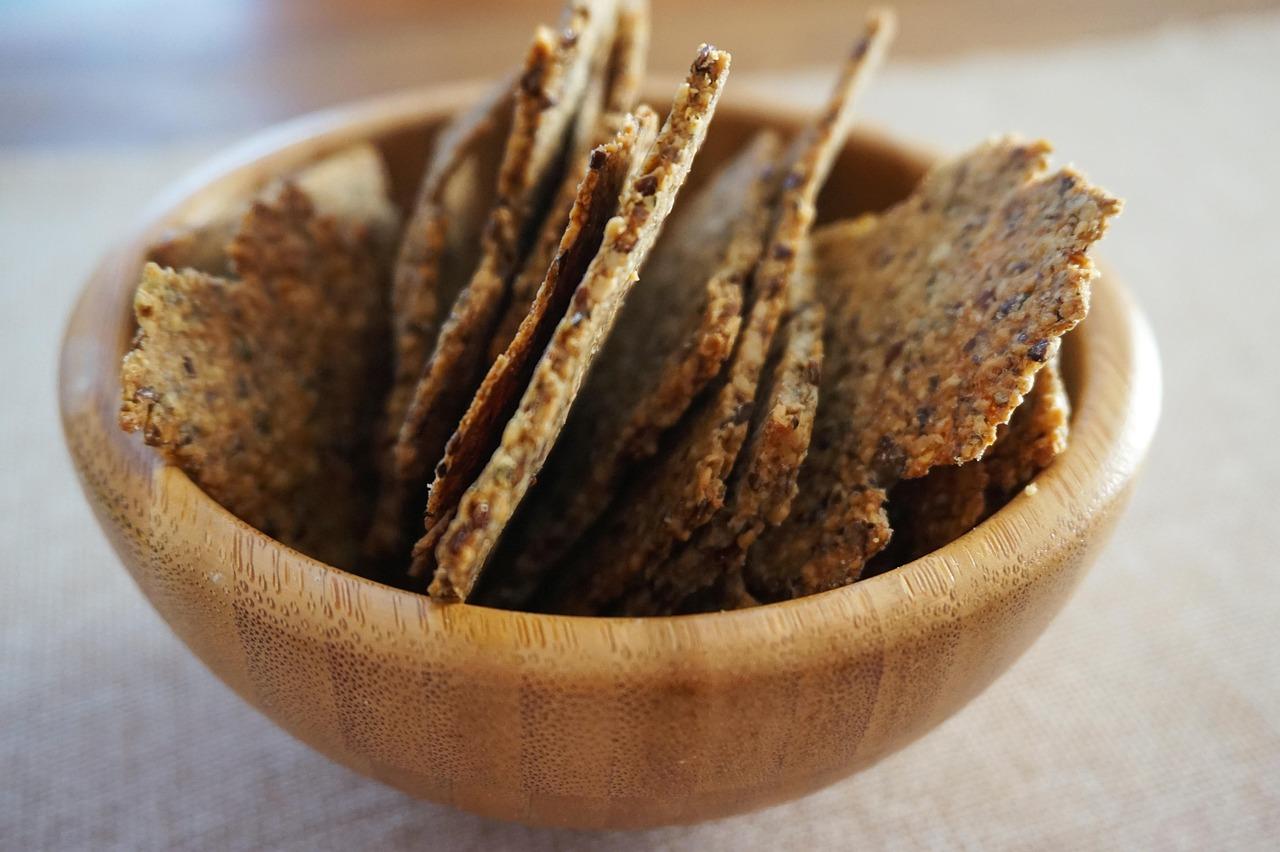
Masala khakhra
Khakhra are thin chapaties roasted slowly on a griddle until they turn crisp, like a cracker. This masala version adds gram flour, fresh fenugreek, turmeric and chilli to the wheat dough. They are a light Gujarati breakfast or tea-time snack, and lovely with pickle, chutney or a smear of butter. You can also make them in a roti maker.

